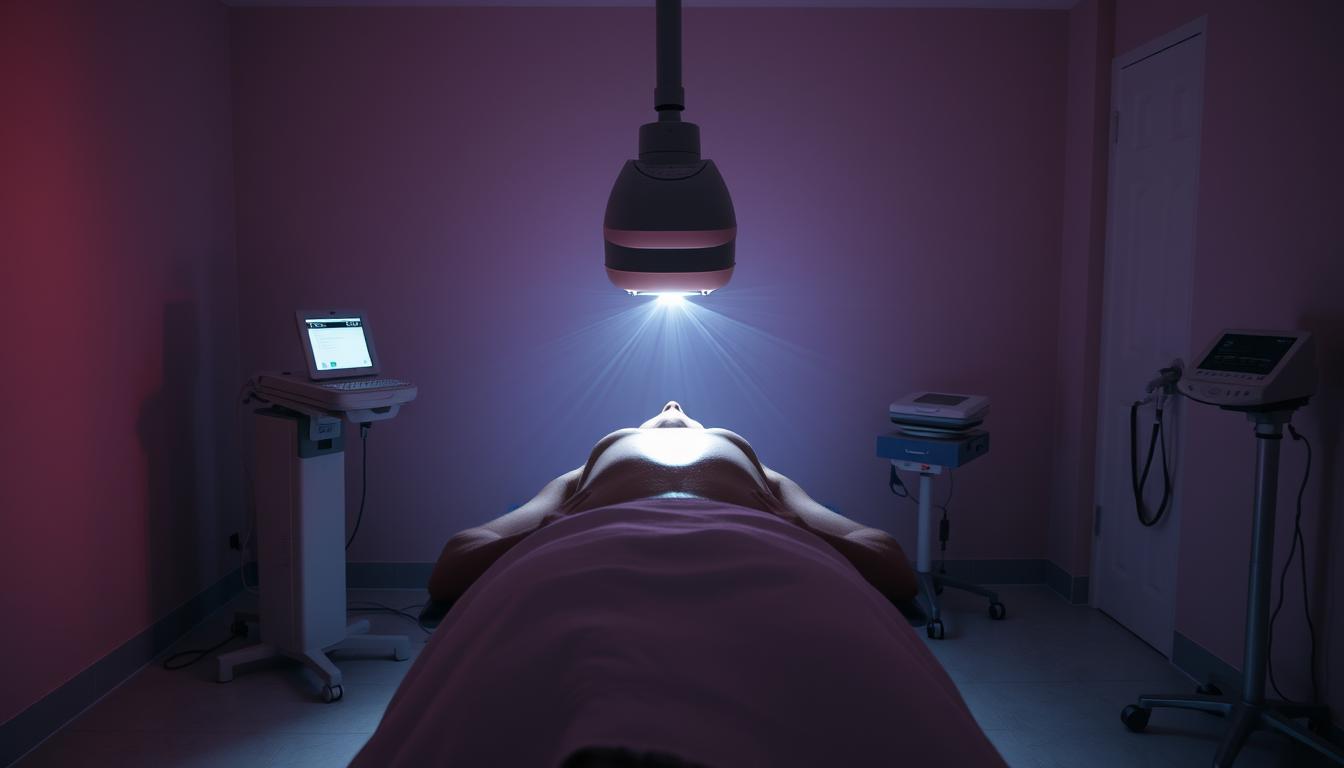
Light has always fascinated humanity, but today we’re discovering its remarkable healing potential. This guide explores how specific light applications can transform health outcomes.
Many people encounter light-based treatments without understanding what makes them effective. The distinction between simple light exposure and targeted therapeutic intervention is crucial for achieving real results.
True photobiomodulation therapy involves precise parameters that activate cellular responses. Unlike passive light exposure, this approach uses specific wavelengths, dosages, and delivery methods to stimulate healing processes.
Patients considering this treatment approach will discover how modern medicine integrates light-based solutions. From pain management to inflammation reduction, the applications continue to expand across medical specialties.
This comprehensive examination draws on clinical evidence and patient experiences. We’ll explore what separates effective devices from those that simply emit light, helping you make informed decisions about therapeutic options.
Key Takeaways
- Active photobiomodulation uses specific light parameters to trigger cellular healing processes
- Therapy effectiveness depends on precise wavelength, dosage, and delivery methods
- This approach differs significantly from passive light exposure
- Clinical applications span pain management, inflammation reduction, and tissue repair
- Understanding the science helps patients and providers choose effective treatments
- Modern healthcare increasingly integrates light-based therapeutic options
- Evidence-based parameters separate therapeutic devices from basic light emitters
Introduction to Active Photobiomodulation
The therapeutic application of specific light wavelengths represents a growing frontier in medical science. This approach moves beyond simple light exposure to targeted cellular interventions.
Context and Relevance in Healthcare
Healthcare systems face increasing challenges with chronic conditions. Light therapy offers a non-invasive option that complements traditional approaches.
Many providers now incorporate this treatment into pain management protocols. It shows particular promise for inflammation reduction and tissue repair.
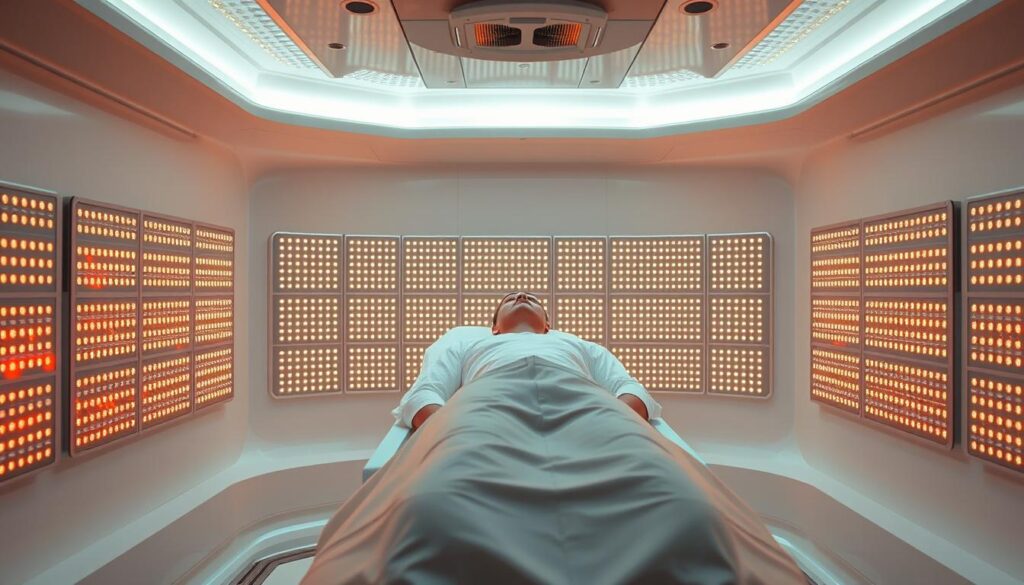
Recent studies demonstrate applications across multiple specialties. These include oncology, neurology, and orthopedics.
The Evolution of Light-Based Therapies
Light-based interventions have transformed significantly over time. Early observations of sunlight’s benefits led to modern understanding of cellular mechanisms.
Today’s approaches target mitochondria precisely. This cellular targeting supports energy production through ATP generation.
The evolution from basic light exposure to sophisticated therapy reflects medical advancement. Current devices deliver specific wavelengths at calibrated intensities for optimal results.
Understanding Photobiomodulation Therapy
The science behind photobiomodulation reveals how specific light wavelengths interact with our cells to promote recovery. This approach goes beyond surface-level benefits to trigger deep cellular responses.
Molecular Mechanisms and Cellular Impact
When therapeutic light reaches cellular chromophores, particularly cytochrome c oxidase, it initiates powerful molecular mechanisms. The absorption of photons boosts cellular energy production significantly.
One key effect involves nitric oxide release, which improves blood circulation and oxygen delivery. This vasodilation supports tissue nutrition and waste removal at cellular levels.
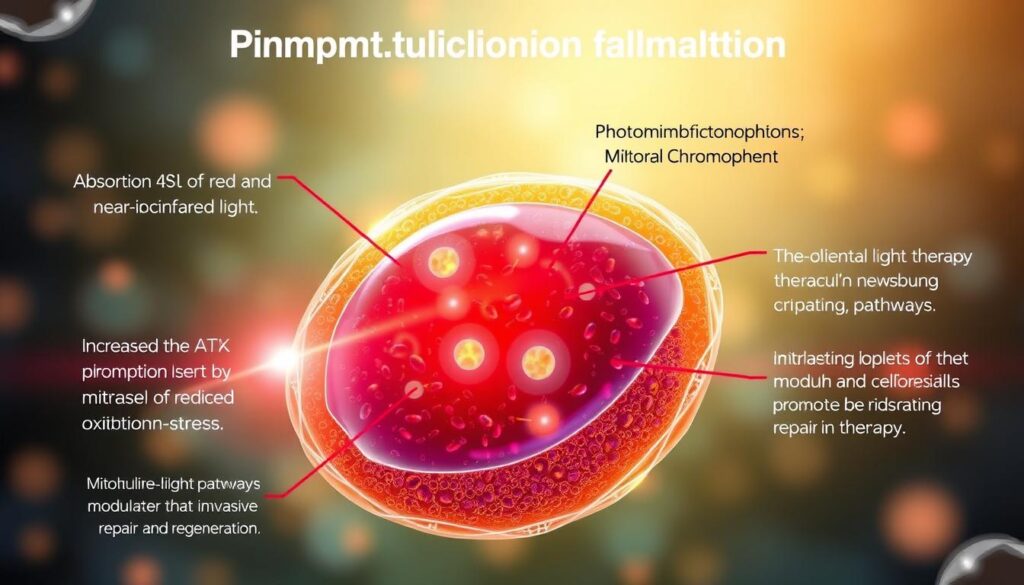
The therapy also regulates inflammatory responses through complex signaling pathways. It modulates cytokines and transcription factors to reduce excessive inflammation.
The Role of Mitochondrial Stimulation in Healing
Mitochondrial stimulation represents the core mechanism of photobiomodulation therapy. Photons increase ATP production, providing cells with essential energy for repair.
This energy boost helps cells overcome stress and avoid premature death. The therapy activates anti-apoptotic cascades that protect cellular integrity.
At fundamental levels, these mechanisms explain why photobiomodulation benefits diverse conditions. It addresses basic cellular processes rather than single symptoms.
What Is “Active Photobiomodulation”? The Difference Between Looking and Healing
Medical interventions using light energy require specific parameters that distinguish them from casual light exposure. True therapeutic applications involve calibrated doses designed to produce biological changes rather than simple illumination.
The critical factors separating effective treatment from basic light exposure include:
- Wavelength specificity targeting therapeutic ranges
- Precise power density measurements
- Controlled treatment duration
- Total energy delivery to tissues
A proper medical device emits light within the red to near-infrared spectrum (600-1100nm). This ensures sufficient penetration to reach target cells deep within tissues.
Regular light sources like sunlight or indoor lighting lack the necessary parameters for therapeutic effects. The intentional application following established protocols makes the difference between looking and healing.
This approach involves monitoring effectiveness and adjusting based on patient response. Understanding these distinctions helps patients identify genuine therapeutic options among various light-emitting products.
The fundamental difference lies in intention, precise dosimetry, and measurable biological outcomes. Medical-grade therapy represents a deliberate intervention rather than passive environmental exposure.
Clinical Evidence Supporting Photobiomodulation
Clinical investigations have moved beyond theoretical promise to demonstrate tangible benefits of this therapy. The growing body of evidence comes from well-designed study approaches across multiple medical fields.
Overview of Recent Clinical Trials
Recent clinical trial designs employ rigorous methodologies to validate treatment effectiveness. One significant investigation involved 85 participants across 12 cancer centers.
This prospective, double-blind, sham-controlled study showed promising results for specific applications. Another placebo-controlled trial with 60 subjects examined different treatment approaches.
Patient Reported Outcomes and Safety Data
Patients participating in these trials reported meaningful improvements in their quality of life. The collected data shows consistent benefits across various conditions.
Safety information from multiple study groups reveals an excellent profile for this approach. Most patients experienced no significant adverse effects during treatment.
The evidence base continues to grow as more clinical trial results become available. This strengthens confidence in the therapy’s benefits for diverse patients.
Photobiomodulation in Oral Health
Cancer treatment often brings challenging side effects that impact patients’ quality of life. One particularly difficult complication involves oral health during radiation therapy for head and neck cancers.
Radiation can cause painful inflammation and ulceration in the mouth and throat. This condition, known as oral mucositis, makes eating and speaking extremely difficult for many individuals undergoing cancer treatment.
Reducing Oral Mucositis in Cancer Therapy
Recent clinical studies show promising results using light-based approaches. An LED intraoral device demonstrated significant benefits for patients receiving radiotherapy.
The therapy produced remarkable reductions in severe oral mucositis. Patients experienced 70% fewer cases at two weeks post-treatment compared to placebo. At six weeks of radiation, the reduction remained strong at 36%.
Severity levels dropped substantially in the treatment group. Only 36.8% developed grade 3 or 4 mucositis versus 57.1% in the control group. Patient-reported outcomes confirmed meaningful improvements.
Individuals reported less mouth and throat soreness with scores of 1.5/5 compared to 2.2/5. Throat pain measurements showed similar benefits at 3.8/10 versus 5.3/10. The need for feeding tubes decreased by 59% among appropriate candidates.
Safety data revealed no device-related adverse events. Completion rates reached an impressive 98.3% across all sessions. Major cancer organizations now recommend this approach for managing mucositis in head and neck disease.
Role of Photobiomodulation in Dental Care
Modern dentistry now incorporates cellular-level healing technologies alongside traditional procedures. This approach represents an expanding role for non-invasive light applications in oral health.
Dental professionals observe significant benefits for patients undergoing various procedures. Laser therapy and LED-based systems help manage discomfort after lengthy appointments.
Holistic dentist Dr. Leedia notes how this treatment supports wound healing and cellular repair. “I’ve seen it help with postoperative, TMJ, and muscular discomfort,” she explains. The therapy optimizes function at the mitochondrial level.
For implant placements and extractions, this approach reduces inflammation in soft tissue. It also supports bone regeneration for faster recovery. Patients using consistent treatment show measurable differences in healing outcomes.
Root canal prevention protocols benefit from daily sessions supporting blood and nerve supply. After integrative extractions, laser therapy aids pain management and inflammation reduction. The growing role of this light-based therapy continues to transform dental recovery experiences.
Comparing LED-Based and Laser Photobiomodulation
Two distinct approaches to delivering therapeutic light have emerged in modern medical practice. Each device type offers unique benefits for different clinical situations.
Efficacy and Dosage Differences
LED and laser technologies differ in their fundamental light properties. Lasers produce coherent, focused beams while LED devices emit broader, non-coherent light.
Dosage requirements vary significantly between these systems. Laser treatment typically delivers higher power density to smaller areas. LED therapy covers larger surfaces with gentler intensity.
Research shows both approaches can achieve therapeutic outcomes. One laboratory study found LED performed better than laser in reducing microbial load on extracted teeth.
Safety Profiles and Treatment Modalities
Both technologies maintain excellent safety records when used properly. Laser devices require careful eye protection due to their focused beams.
LED systems often suit home-based treatment, while laser therapy typically needs professional application. The choice depends on the condition being addressed.
| Feature | LED Therapy | Laser Treatment |
|---|---|---|
| Light Type | Non-coherent, broad | Coherent, focused |
| Treatment Area | Large surfaces | Small, precise targets |
| Typical Setting | Home use | Clinical application |
| Safety Considerations | Minimal eye risk | Requires eye protection |
“The efficacy of each approach depends on matching the technology to the specific clinical need.”
Understanding these differences helps practitioners select the optimal light delivery system for each patient’s needs.
Photobiomodulation Therapy for Dementia Patients
The search for dementia treatments has led researchers to explore light-based approaches with promising results. Transcranial near-infrared applications show particular potential for cognitive conditions.
Transcranial Near-Infrared Light Benefits
A recent study involved individuals with mild to moderate cognitive decline. Participants received low-power transcranial light stimulations for six minutes twice daily over eight weeks.
The active treatment group demonstrated significant improvements across multiple cognitive assessments. Mini-Mental State Exam scores increased by an average of 4.8 points. Logical Memory Tests showed approximately 3.0-point gains.
Trail Making Test performance improved by about 24%, while Boston Naming Test results increased by 9%. Patients showed better performance across all Auditory Verbal Learning Test categories.
Beyond cognitive measures, sleep quality improved noticeably after seven days of therapy. Average sleep duration increased by one hour within eight days. Some individuals reported cessation of recurring nightmares.
Caregivers observed meaningful behavioral changes around the second or third week. They noted reduced anxiety, improved mood, and increased energy levels among recipients. The home-based protocol offers convenient daily intervention for sustained benefits.
This approach demonstrates excellent safety while supporting cognitive function in older adults. The consistent daily routine helps maintain treatment adherence throughout the recommended weeks.
Insights from Clinical Trial Data in Cancer Centers
Cancer centers across the country recently collaborated on a landmark study of light-based interventions. This multicenter approach provides strong evidence for real-world applications.
The investigation followed gold-standard methodology with careful design elements. Researchers randomized participants equally between active and sham groups.
Study Designs and Outcome Measures
This prospective trial maintained double-blind conditions throughout the research period. The control group received identical-appearing devices that emitted no therapeutic light.
All individuals continued standard oral care protocols regardless of their assignment. This isolation helped researchers measure the specific effect of the light treatment.
Primary outcomes focused on mouth inflammation severity at the six-week mark. Secondary measures tracked overall quality of life changes during radiation therapy.
| Study Parameter | Active Group | Control Group |
|---|---|---|
| Device Type | Therapeutic light emitter | Placebo device |
| Session Duration | 10 minutes daily | 10 minutes daily |
| Wavelength | 660 nm | No light emission |
| Energy Delivery | 6 J/cm² | 0 J/cm² |
Patients received between 30-40 sessions based on their cancer treatment schedule. The consistent protocol ensured reliable data collection across all participating centers.
Final results demonstrated significant benefits for those receiving active therapy. These findings help oncologists integrate light-based approaches into comprehensive care plans.
Protocol and Dosage: What Patients Undergo
Patients often wonder what to expect when beginning photobiomodulation sessions. Treatment protocols vary significantly depending on the medical condition being addressed.
For cancer patients preventing oral mucositis, the approach involves daily 10-minute sessions. This therapy uses 660 nm wavelength light delivering 6 J/cm² immediately before radiation.
Individuals typically receive 30-40 sessions over 6-8 weeks of radiation therapy. Safety measures include light-blocking eyewear during each treatment.
Dementia patients follow a different protocol with transcranial applications. They receive six-minute sessions twice daily for eight consecutive weeks.
The helmet-style device emits low-power near-infrared light at 1060-1080nm. It delivers consistent power density across the treatment area.
Patients appreciate the brief session duration that fits easily into daily routines. This convenience contributes to high compliance rates across multiple weeks.
Understanding these specific parameters helps individuals prepare for their therapeutic journey. Consistent adherence to prescribed protocols ensures optimal results.
Impact on Patient Quality of Life
When evaluating therapeutic success, patient-reported outcomes provide crucial insights into real-world benefits. These measures capture how interventions affect daily living beyond clinical numbers.
Pain Reduction and Enhanced Recovery
Individuals receiving this approach reported meaningful comfort improvements. Cancer patients experienced significantly less mouth and throat soreness with scores of 1.5/5 compared to 2.2 in the placebo group.
Throat pain showed similar reduction, dropping from 5.3 to 3.8 out of 10. These results came from validated patient-reported tools that capture real symptom impact.
Beyond pain management, people reported better energy levels and daily engagement. Caregivers noticed positive changes in mood and routine after approximately two to three weeks of consistent treatment.
The therapy also reduced the need for feeding tubes by 59%, allowing individuals to maintain normal eating habits. This significantly improved nutritional status and overall quality life during challenging medical journeys.
These outcomes demonstrate how the approach addresses both physical symptoms and emotional well-being. The combined benefits create a meaningful impact on recovery experiences for patients facing various health conditions.
Analyzing Control Groups versus Active Treatment Arms
Scientific validation of medical therapies relies heavily on comparing treatment outcomes against carefully designed control conditions. This approach separates genuine therapeutic effects from placebo responses.
Well-structured clinical trials use control groups to ensure observed benefits come from the treatment itself. The comparison provides crucial evidence for medical decision-making.
Placebo Comparisons and Statistical Outcomes
Recent investigations employed rigorous placebo-controlled designs. One oral health study used sham devices identical to active units but emitting no therapeutic light.
The results showed clear separation between groups. At six weeks, only 36.8% of the active treatment arm developed severe oral mucositis versus 57.1% in the placebo group.
Two weeks post-radiotherapy, the difference became even more striking. Just 10.8% of active group patients experienced severe symptoms compared to 36.4% in the control group.
A dementia study followed similar methodology with sixty subjects randomized 2:1. Sham helmet devices appeared identical but emitted no near-infrared light.
Patients receiving sham treatment showed no significant cognitive improvements. This control group comparison strengthens confidence in the therapy’s genuine benefits.
The statistical outcomes demonstrate measurable therapeutic effects beyond placebo mechanisms. These findings help validate this approach for clinical use.
Mechanisms Behind Photobiomodulation: Cellular Insights
At the microscopic level, cellular machinery responds to specific light wavelengths in fascinating ways. These biological mechanisms explain how targeted light applications produce healing effects.
Mitochondria serve as the primary targets for this approach. When therapeutic wavelengths reach these cellular powerhouses, energy production increases significantly through ATP generation.
The therapy creates beneficial stress at molecular levels. Small amounts of reactive oxygen species stimulate antioxidant production, creating a protective cellular response.
This hormetic effect helps reduce inflammation throughout tissues. Lower inflammatory levels support recovery in conditions like periodontitis where swelling causes discomfort.
| Cellular Mechanism | Primary Effect | Therapeutic Benefit |
|---|---|---|
| Mitochondrial stimulation | Increased ATP production | Enhanced cellular energy |
| ROS modulation | Antioxidant activation | Reduced oxidative stress |
| Nitric oxide release | Blood vessel dilation | Improved tissue perfusion |
| Inflammatory pathway regulation | Cytokine balance | Swelling reduction |
Nitric oxide release represents another key pathway. This molecule relaxes blood vessels, allowing better oxygen delivery to damaged areas.
Understanding these cellular processes helps explain why this approach benefits diverse conditions. The effects address fundamental biological functions rather than surface symptoms.
Historical Perspective on Light Therapy Applications
Humanity’s relationship with healing light began long before modern medicine, with civilizations recognizing sunlight’s restorative properties. Early cultures observed how sunlight affected mood and physical well-being.
From Early Trials to Modern Devices
Early twentieth-century trials explored ultraviolet and broad-spectrum visible light therapy for conditions like rickets and tuberculosis. These initial studies established foundational knowledge about light’s biological effects.
The 1960s brought laser technology, revolutionizing therapeutic applications. Early laser therapy research focused on wound healing and pain management using coherent light sources.
Most historical research examined red and near-infrared laser devices. Dental applications like root canal treatment and periodontitis management saw significant investigation.
Many dentists continue using laser therapy based on decades of accumulated evidence. Modern protocols have become more refined through clinical experience.
The transition to LED-based approaches represents recent advancement. Some sources extrapolate results from laser studies to LED applications, though physical differences require careful consideration.
| Aspect | Historical Approach | Modern Practice |
|---|---|---|
| Light Source | Sunlight, broad-spectrum lamps | Precise wavelength devices |
| Primary Applications | Rickets, tuberculosis, mood disorders | Tissue repair, pain management, cognitive support |
| Technology | Basic light emission | LED and laser systems |
| Evidence Base | Observational studies | Randomized controlled trials |
Today’s devices benefit from identifying optimal wavelengths and protocols. This evolution demonstrates increasing precision in targeting cellular mechanisms while improving accessibility.
Integration of Photobiomodulation with Conventional Treatments
Rather than replacing conventional medicine, photobiomodulation enhances existing treatment pathways. This approach works alongside standard protocols to provide comprehensive care for patients.
In cancer centers, individuals continue their full radiation therapy while receiving light treatment. They also maintain standard oral care routines and pain management medications. The light therapy adds benefits without disrupting established care.
Dental practices integrate this approach with procedures like extractions and implant placements. Dentists use light therapy before, during, or after conventional treatment to support healing.
This complementary model addresses disease at different levels. Conventional methods target the condition directly, while light treatment supports cellular recovery.
Patients benefit from combined approaches that manage both symptoms and healing. Healthcare providers appreciate the seamless integration into existing workflows.
The strategy demonstrates how modern medicine combines traditional and innovative methods. This comprehensive approach helps patients facing various health challenges.
Practical Considerations for Therapy Implementation
Real-world application of therapeutic light depends on creating user-friendly protocols that patients can follow consistently. Proper implementation ensures maximum benefits from each session.
Home Use Protocols and Adherence Strategies
Successful home-based programs require clear instructions and supportive tools. Older adults with cognitive challenges have demonstrated impressive self-administration capabilities.
A study involving individuals averaging 74 years showed excellent compliance with twice-daily sessions over eight weeks. Simple daily logs help patients and caregivers track progress effectively.
Device design plays a crucial role in treatment accessibility. Portable cases and comfortable helmets encourage regular use without technical barriers.
| Implementation Factor | Home Setting | Clinical Setting |
|---|---|---|
| Session Frequency | Twice daily self-administered | Professional supervision |
| Adherence Monitoring | Daily patient logs | Clinical documentation |
| Device Requirements | Portable, user-friendly | Clinical-grade equipment |
| Support System | Caregiver assistance | Medical staff guidance |
Caregiver involvement significantly improves management of complex regimens. Their support helps maintain motivation throughout the treatment period.
The impressive 98.3% completion rate in clinical trials demonstrates that well-designed protocols yield excellent adherence. This approach extends therapeutic benefits beyond clinical settings.
Conclusion
The journey through photobiomodulation reveals a promising path forward for modern healthcare. This approach offers patients a safe, non-invasive option that complements conventional medical care.
Clinical evidence demonstrates meaningful benefits across diverse conditions. Individuals report improved quality of life with reduced discomfort and better recovery experiences.
The excellent safety profile makes this therapy particularly valuable for those seeking alternatives to pharmaceutical interventions. Proper implementation ensures consistent treatment adherence even in home settings.
As research continues, photobiomodulation therapy will likely become more integrated into standard care protocols. Understanding the science behind these effects helps people make informed decisions about their health journey.