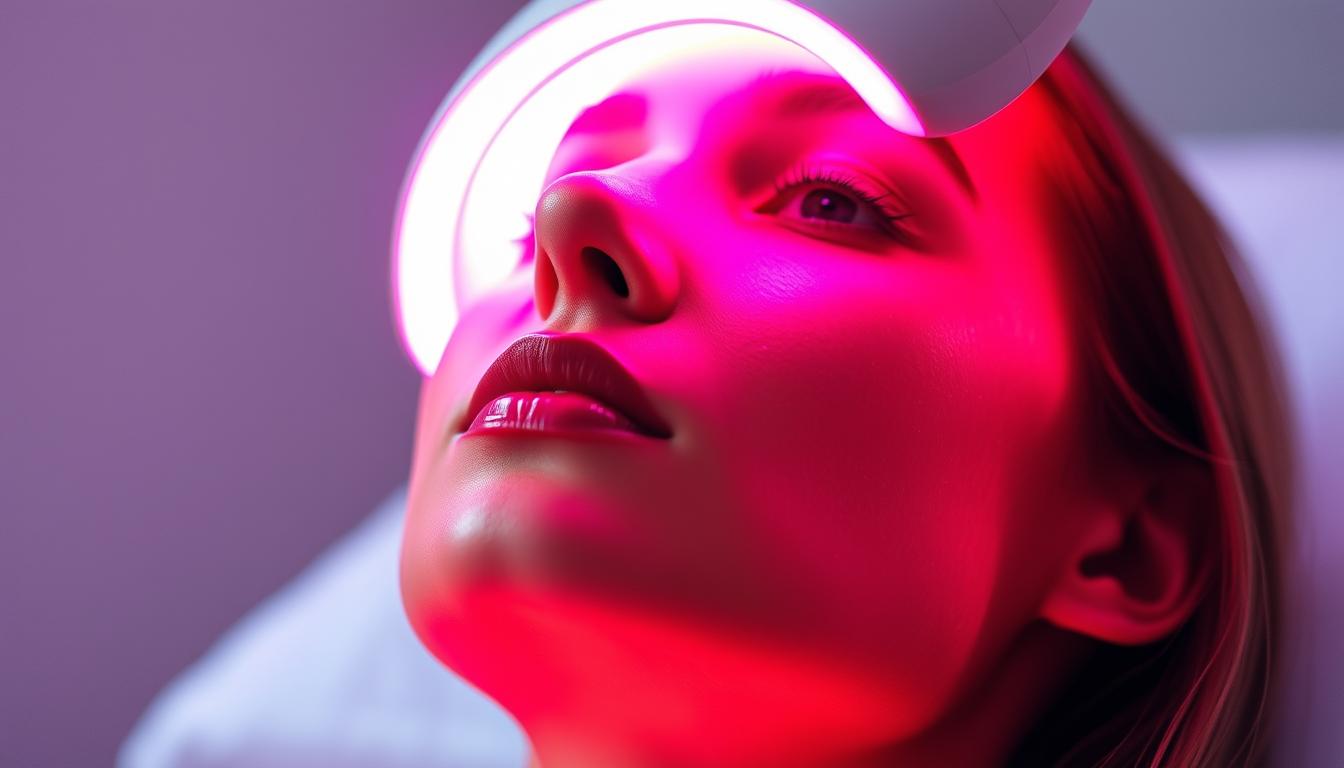
“The best way to take care of your skin is to heal it, not harm it,” says famous dermatologist Dr. Howard Murad. This really hits home for anyone who’s been through the frustrating cycle of harsh acne treatments that promise clear skin but just leave you irritated.
If you’re sick of strong chemicals burning your face or medications giving you unwanted side effects, you’re definitely not alone. Millions of people deal with stubborn breakouts while trying to find a kinder way to get clearer skin.
The good news? Red light therapy for acne is here! This cool light-based approach works deep down at the cellular level to calm inflammation and help your skin heal naturally. Unlike typical treatments, this gentle solution won’t strip your skin or cause harsh reactions.
The science behind fighting acne with red light therapy is pretty cool and super promising. By sending specific light wavelengths to the areas that need it, this treatment helps soothe irritated skin while giving your body’s natural repair processes a boost.
Quick Takeaways
- Red light therapy is a gentle, non-invasive alternative to harsh chemical treatments.
- This therapy works by calming inflammation right down to your cells.
- It promotes natural healing without those annoying side effects.
- Science backs it up as an effective solution for various skin issues.
- It’s a great option if you’ve had trouble with traditional acne medications.
- You can safely use it with your other skincare products.
Understanding Acne: The Root Causes Behind Breakouts
Ever wonder why you get breakouts? It’s not just one thing; it’s a whole bunch of biological processes working together to create the perfect storm for acne. While acne might seem like a simple skin issue, it’s actually pretty complex, with several interconnected factors at play. Getting a handle on these root causes helps explain why red light therapy can be so effective – it actually addresses the underlying problems instead of just covering up symptoms.
Acne pops up when multiple factors align in your pores. These factors don’t just hang out by themselves; they feed off each other, creating a cycle that can be tough to break without the right approach. The good news is, once you understand what’s really happening under your skin, you can make smarter choices about how to treat it.
The Main Reasons Why You Get Acne
There are four main culprits that team up to cause acne breakouts. Each plays its own role, but they’re all linked. Think of them like puzzle pieces that, when put together, create the perfect conditions for acne to thrive.
Keep in mind that these factors don’t affect everyone the same way. Your genes, age, lifestyle, and even your environment all influence how these elements interact with your skin. That’s why an acne treatment that works wonders for your friend might not do much for you.
Too Much Oil and Hormones
Your skin naturally produces sebum, an oil that helps protect and moisturize it. But when your oil glands go into overdrive and make too much sebum, that’s when problems start. Hormonal changes are often the biggest trigger for this increased oil production.
Androgens (like testosterone and DHT) tell your oil glands to produce more oil. This explains why acne often shows up during puberty, periods, pregnancy, or times of stress. Even adults can get hormonal acne well into their thirties and beyond.
This extra oil doesn’t just sit on your skin. It mixes with dead skin cells, creating a thick, sticky mess that can easily clog your pores. And that sets the stage for the next step in acne development.
Clogged Pores and Bacteria
When too much sebum teams up with dead skin cells, it forms plugs that block your pores. These plugs create the perfect hangout spot for bacteria. The most common acne-causing bacteria, Propionibacterium acnes (or P. acnes for short), loves to feed on this trapped oil and multiplies super fast.
Clogged pores show up as blackheads when they’re open to the air, or whiteheads when they’re completely blocked. But the real trouble begins when those bacteria start multiplying like crazy in these oxygen-starved environments. That’s when your body’s immune system kicks in.
The Role of Inflammation
Inflammation is your body’s natural way of fighting off a bacterial infection. But here’s the kicker: it’s also what makes your acne so noticeable and painful. When your immune system spots that bacterial party happening, it sends in white blood cells to clear things up. This is what causes all the redness, swelling, and tenderness you feel with angry, inflamed breakouts.
This inflammation can be pretty mild, showing up as just a few small red bumps, or it can get really serious, leading to big, painful cysts. The good news is, red light therapy specifically targets this inflammation, helping to calm your immune system and reduce those visible symptoms.
If inflammation hangs around for too long, it can also lead to scarring and those annoying dark spots (what dermatologists call post-inflammatory hyperpigmentation). That’s why getting a handle on inflammation early in the acne game is super important for keeping your skin healthy in the long run.
What Kinds of Acne Does Light Therapy Help?
Not all acne is the same, and not all acne responds to light therapy in the same way. Knowing which types benefit most from red light therapy helps you know what to expect. Generally, this therapy works best on inflamed acne (the red, angry kind), rather than just blackheads or whiteheads.
Light therapy looks most promising for moderate to severe inflammatory acne. It’s super effective for folks who haven’t had much luck with creams or want to steer clear of the side effects that come with oral medications.
| Acne Type | Characteristics | Red Light Response | Treatment Duration |
|---|---|---|---|
| Inflammatory Papules | Small, red, tender bumps | Excellent | 4-6 weeks |
| Pustules | White or yellow pus-filled lesions | Very Good | 6-8 weeks |
| Nodular Acne | Large, deep, painful lumps | Good with consistency | 8-12 weeks |
| Cystic Acne | Deep, pus-filled, scarring lesions | Moderate improvement | 12+ weeks |
Adult acne, especially those breakouts that seem linked to hormones, often responds really well to red light therapy. It helps calm down the inflammation without messing with your hormone balance. Lots of adults prefer this approach because it’s way gentler than harsh topical treatments that can irritate older skin.
If you have stubborn acne that just hasn’t budged with traditional treatments, light therapy might be a great option. Its anti-inflammatory power can help break that cycle of constant breakouts, especially when you use it alongside a good skincare routine.
What is Red Light Therapy: The Science Explained
Ever wonder how red light therapy actually works for your skin? It all comes down to how specific light frequencies interact with your skin cells. This cool treatment has really gained traction as a safe and effective way to deal with different skin issues, especially acne.
Think of LED light therapy for acne as a gentle energy boost for your cells. It uses low-level light to kickstart natural processes within your skin. Unlike those harsh chemical treatments, this therapy works gently beneath the surface, so it won’t cause damage or irritation.
What Exactly Is Red Light Therapy?
Red light therapy is a non-invasive treatment that shines specific light wavelengths onto your skin. It’s based on a concept called photobiomodulation, which basically means light energy triggers helpful responses in your cells.
What makes this treatment stand out? First off, it produces no heat or UV radiation, so it’s totally safe for regular use. Plus, there’s no downtime needed; you can get right back to your day after a session.
The light actually goes deeper into your skin, reaching those tissues where acne-causing bacteria love to hang out. This deep reach is a big difference from topical creams that only work on the very surface.
Phototherapy for acne has become super popular because it tackles multiple acne factors at once. It calms inflammation, helps control oil production, and promotes healing – all without the annoying side effects you might get from traditional medications.
The Right Wavelengths for Healthy Skin
For red light therapy to really do its best work, we’re talking about using specific wavelengths of light. Scientists have actually figured out which light frequencies offer the most benefits when it comes to tackling acne.
The “sweet spot” for therapy is usually between 630 and 700 nanometers on the light spectrum. These are the wavelengths that can get into your skin effectively without causing any harm.
Let’s break down the main ones:
- Red light at 660 nanometers: This one’s pretty awesome for bringing down inflammation and helping your cells fix themselves. It even reaches your oil glands, which can help get your skin’s oil production back to normal.
- Near-infrared light at 850 nanometers: This light is a bit of a deep diver, going even further into your tissues. It’s a great partner to red light therapy, especially for those really stubborn acne cases.
The cool thing about these specific wavelengths is that they’re super precise. That’s why LED light therapy for acne can give such consistent results. Instead of just a broad blast of light, these devices deliver the exact frequencies your skin cells can actually use to heal.
Understanding these scientific bits just helps us see why red light therapy has become such a trusted alternative to traditional acne treatments. It’s all built on how our cells work, so you can feel pretty confident about its safety and effectiveness for the long haul.
How Red Light Therapy Targets Acne at the Cellular Level
Ever wonder how red light therapy actually gets to the bottom of your acne? It’s pretty cool! This treatment uses special red light wavelengths that go deep into your skin. Once there, this light energy kicks off a whole bunch of healing processes that work together to clear up breakouts and even help stop new ones from popping up.
Understanding these tiny cell-level changes helps explain why red light therapy gives such solid results.
Calming Down Angry Skin (Reducing Inflammation)
Those red, swollen, painful pimples? That’s all about inflammation. Red light directly targets those inflammatory cells in your breakouts, dialing down the stuff that causes all that redness and puffiness.
You’ll notice the anti-inflammatory effects pretty quickly during your sessions. Red light helps calm irritated skin and makes those angry pimples look a lot less, well, angry.
Balancing Oil Levels
Your skin’s oil glands actually respond well to red light. The therapy helps them produce just the right amount of oil, so your skin isn’t too greasy or too dry. This balance creates an environment that’s just not as friendly for acne-causing bacteria.
When your oil glands are working overtime, it often leads to clogged pores and breakouts. Red light helps by influencing the signals that control oil production, leading to healthier skin with just the right amount of moisture.
Boosting Skin Healing & Repair
Red light therapy isn’t just about calming things down; it also encourages your skin to heal and renew itself. It gets your cells busy repairing damage from acne, offering a few awesome benefits.
- Better Blood Flow for Healing: Improved blood flow means more good stuff like nutrients and oxygen get to damaged skin cells, and waste gets carried away faster. This helps existing acne spots heal quicker. Better circulation means your skin cells get exactly what they need to repair themselves, making for all-around healthier skin.
- Fighting Off Bad Bacteria: Certain red light wavelengths make it tough for acne-causing bacteria to thrive. The therapy reduces these bad guys without harming the good bacteria on your skin, which helps bring back a healthy balance. Propionibacterium acnes (the main acne culprit) gets less active under red light, messing with its ability to grow and multiply. This bacterial control plays a huge part in getting clearer skin over time.
- Building Stronger Skin (Collagen & Elastin): Red light therapy also tells your skin to produce more collagen and elastin – those important proteins that help repair acne scars and improve your skin’s overall texture. This boost in protein production makes your skin’s underlying structure stronger.
More collagen means those indented acne scars can gradually fill in. This means red light therapy offers long-term improvements to your skin, going beyond just managing active breakouts. It really creates lasting benefits for how your skin looks and feels.
All these cell-level actions work together to give you a really complete acne treatment. Each part supports the others, creating a powerful healing effect. The end result? Clearer, healthier skin that stays improved for the long haul.
Does Red Light Therapy Actually Work for Acne? Science Says Yes!
A lot of scientific research shows that red light therapy can really help with acne, especially if you use it regularly. Dermatologists and researchers have done tons of studies, and the evidence is piling up: this gentle treatment is a solid option for many people struggling with breakouts.
What the Research Shows
Clinical trials have delivered some pretty impressive results. For instance, one major study found people had a 76% drop in inflamed acne after just 12 weeks of consistent red light treatment. Another study saw 81% of participants noticeably improve their skin over 16 weeks.
Usually, you might start seeing little changes within 4 to 6 weeks. But for the really big improvements, most studies point to 8 to 12 weeks of consistent use.
Even Better Together
What’s really exciting is how well red light therapy works when you combine it with other acne treatments. Studies show that fighting pimples with red light and topical medications gives way better results than using either one alone. This combo often means faster healing and clearer skin that lasts longer.
For example, one study found a 92% improvement when red light was used with benzoyl peroxide, compared to only 67% with just the medication. Even clinics are seeing faster results when combining red light with things like chemical peels.
Who Benefits the Most?
Research points to a few groups who really shine with red light therapy:
- People with inflamed acne: If you have red, swollen papules, pustules, or cystic acne, this is likely for you.
- Those with sensitive skin: Red light is a gentle alternative if traditional acne meds cause irritation.
- Anyone looking for natural options: If you prefer to avoid harsh chemicals, this treatment is super appealing and effective.
Here’s a quick look:
| Patient Type | Success Rate | Average Improvement Time | Best Results Seen In |
|---|---|---|---|
| Inflammatory Acne | 78-85% | 6-8 weeks | Papules and pustules |
| Sensitive Skin | 71-79% | 8-10 weeks | Reduced irritation |
| Combination Therapy Users | 87-92% | 4-6 weeks | Overall skin improvement |
| Mild to Moderate Acne | 74-81% | 6-9 weeks | Prevention of new breakouts |
Setting Realistic Expectations for Results
You’ll usually see some initial progress within 4 to 6 weeks (like less inflammation). The really big changes often show up between 8 to 12 weeks. For the most dramatic and lasting results, aim for 3 to 4 months of consistent use. Patience is key, but the research really backs up sticking with it!
Just remember, everyone’s skin is different, so results can vary. The main thing is to be consistent with your treatments and have realistic expectations.
Battling Acne with Red Light Therapy: Device Options for Home Use
Thinking about trying red light therapy for your acne at home? Good call! There are a few different types of devices out there, each with its own perks. The great thing is, you can now get pretty close to professional results right in your own space, making it easy to stick with your treatments.
1. Full-Face Masks (for all-over treatment)
These are super popular for home use. You just put one on, and it covers your whole face, hands-free! Perfect for busy people who want full-face treatment while doing other things like reading or watching TV. Most good ones have lots of LEDs and sessions usually last 10-20 minutes. Look for FDA-cleared masks for peace of mind.
2. Handheld Wands (for targeting spots)
Got specific pimples or stubborn areas? Handheld wands are your go-to. They’re small, portable, and let you zap individual breakouts with a focused light beam. Great for quick touch-ups or travel, helping you tackle new spots right away.
3. LED Panels & Stands (for serious coverage)
These are more like what you’d see in a clinic. They’re larger, often have hundreds of LEDs, and are awesome for treating acne on bigger areas like your chest, back, or shoulders. You can adjust them for the best angle, and many have timers and intensity settings. They’re an investment, but they deliver professional-level results.
What to Look For When Buying:
- Wavelengths: Aim for 660nm (red light) and 850nm (near-infrared) for best acne results.
- Power: Higher power means shorter, more effective sessions.
- Timer & Safety: Make sure it has a built-in timer and, super important, eye protection! Never skip this.
- Build Quality: You want something sturdy with good LEDs. Check for warranties!
- Budget vs. Value: Cheaper isn’t always better. Think about how much it’ll cost per use compared to clinic visits.
- Your Needs: A mask for your face? A wand for spots? A panel for body acne? Pick what fits your routine best.
Choosing the right device makes a big difference, so think about what works best for you!
Incorporating Red Light Therapy into Your Acne Treatment Routine
So, you’ve got your red light device – great! But making it really work for your acne means more than just turning it on. It’s all about setting up a smart routine to get the most benefits safely. When you make red light therapy a regular part of your day, you’re really stepping up your game for long-term clear skin.
Proper technique and timing are absolutely important, plus making sure it plays nicely with your other skincare products.
Get Ready: Clean your Skin!
First things first: clean skin! This lets the light penetrate best. Wash off all your makeup, sunscreen, and other products with a gentle cleanser. Pat your skin completely dry. Then, position your device as recommended – usually 6-12 inches away. Quick tip: make sure your area is well-lit, and take off any jewelry that might block the light.
How Often & How Long?
Most skin pros suggest starting with 3-4 sessions a week for acne. Begin with quick 10-minute sessions, then slowly increase to 15-20 minutes as your skin gets used to it. Consistency is more important than blasting your skin every single day, which can actually cause sensitivity. Try to leave at least a day between treatments, especially early on.
It’s a good idea to track your sessions and how your skin reacts – even a simple note on your phone helps!
Stick With It for Best Results!
To really see results, you’ve gotta stick with it. Pick specific days and times for your treatments – maybe evenings so your skin can chill overnight. Expect to see initial changes within 4-6 weeks, with bigger improvements around 8-12 weeks. The best, most lasting results usually come after 3-4 months of consistent use. Be patient; it pays off!
Combining with Other Acne Treatments
Red light therapy generally plays well with other acne treatments.
- Topicals: Apply creams after your light session, waiting about 30 minutes.
- Gentle ingredients like niacinamide or hyaluronic acid are great complements.
- Hold off on retinoids or strong acids right before or after, as they can make your skin more sensitive to light.
- Keep your cleansing routine, but maybe switch to gentler cleansers during treatment.
Professional Treatment Integration
If you see a dermatologist, chat with them about your home red light routine. They can help adjust professional treatments like chemical peels to work seamlessly with what you’re doing at home.
Quick Safety Check:
- Side Effects? Usually minimal. Some temporary redness or mild sensitivity after a session is normal. If irritation or new breakouts persist for more than a week, stop and talk to a dermatologist.
- ALWAYS protect your eyes! Keep them closed or use the provided eyewear. Never look directly at the LEDs.
- Pregnant? Talk to your doctor first.
- Keep it clean: Store your device properly and clean it regularly to keep bacteria away.
The Bottom Line
Red light therapy for acne is a gentle, science-backed way to fight breakouts, getting right to the root of things by calming inflammation, balancing oil, and boosting your skin’s healing power. You won’t have to deal with harsh side effects either. No matter if you choose a mask, a small wand, or a larger panel for at-home use, the secret is to be consistent. Stick with it, and you’ll be on your way to clearer, healthier skin. It’s a really promising option that plays nicely with other treatments, giving you a fresh, kinder approach to managing those breakouts.
Common Questions About RLT for Acne
How does red light therapy help my acne?
It uses special light (630-700nm) that goes into your skin to calm redness, control oil, help your skin heal, and reduce acne-causing bacteria. It’s gentle and uses your skin’s natural healing power.
What kind of acne does it work best on?
It’s super effective for red, inflamed acne like bumps, pus-filled spots, and even cysts. Great for moderate to severe breakouts, stubborn adult acne, and sensitive skin that can’t handle harsh products.
How long until I see results?
You might start to notice changes in about 4-6 weeks if you’re consistent. For really noticeable improvements, plan on 3-4 months of regular use (10-20 minutes, 3-5 times a week). Patience is the secret!
Can I use it with my other acne treatments?
Absolutely! It often works even better with other treatments like creams or facials. Just make sure to space out your treatments and chat with your skin pro for the best plan.
What should I look for in a red light device?
Look for devices that are FDA-cleared and use wavelengths around 660nm (red light) and 850nm (near-infrared). Also, check for good power, a timer, eye protection, and solid quality. Choose a mask, wand, or panel based on your needs.
Are there any side effects?
Generally, it’s very safe! You might get a little temporary redness right after, but it usually fades fast. Unlike harsh acne meds, it won’t dry out or peel your skin. Always follow instructions and protect your eyes.
How often should I use it?
Aim for 3-5 times a week, 10-20 minutes per session. Being consistent is more important than going overboard. Once your skin clears up, you can often drop down to 2-3 times a week for maintenance.
Can it help with acne scars?
Yes! Beyond treating active acne, it helps your skin make more collagen and elastin. This can gradually make acne scars less noticeable and improve your skin’s overall look and texture.