
Did you know how top athletes use mental visualization to get an edge? Or how certain types of light can actually help your body heal deep down? While they might seem totally different, these two powerful ideas are leading the way in super easy, non-invasive ways to boost how awesome you feel.
When you bring them together, red light therapy and mental imagery can create something truly special, helping your body and mind in ways you wouldn’t expect.
So, how does red light therapy work its magic on your cells? We’ll break down the science behind why so many people are adding this tech to their daily lives. We’ll also talk about the amazing world of guided imagery and visualization, which can actually help your brain get better at handling things. From chilling out to speeding up healing, these approaches offer simple, easy-to-use tools for anyone looking to feel better.
Whether you’re an athlete focused on crushing it, dealing with a long-term health thing, or just curious about cool new wellness stuff, this friendly, science-backed guide offers practical ways you can start feeling the benefits today.
Here’s What to Remember:
- Red light therapy and mental imagery are safe, science-backed wellness boosters.
- Red light helps your cells heal and reduces inflammation.
- Mental visualization can re-train your brain for better performance.
- Combine them for even greater benefits!
- Use them with, not instead of, traditional medical care.
The Science Behind Red Light Therapy: How Does It Actually Work?
Ever wonder why red light therapy is getting so much buzz? It’s all thanks to some pretty cool science that shows how light can actually help your body heal naturally. This innovative approach is getting a lot of attention because it offers a way to address a lot of health concerns without needing invasive procedures or medications.
So, What Exactly Is Red Light Therapy?
Simply put, Red Light Therapy (RLT) is a gentle treatment that uses specific kinds of red and near-infrared light. These particular wavelengths, typically in the 630-850 nanometer range, are special because they can actually pass through your skin and get to work on your cells.
Unlike many treatments that just work on the surface, RLT goes deeper. It sends concentrated light energy to your skin and the tissues underneath, where your cells absorb it. This kickstarts a whole series of really positive biological effects, helping your body heal from the inside out.
Red Light vs. UV Light: A Big Difference!
A lot of people confuse red light therapy with other light treatments, but it’s super important to know that RLT is not like UV light (the kind from the sun that gives you a tan or sunburn). Their effects on your body are completely different!
Here’s a quick peek at the main differences:
| Characteristic | Red Light Therapy | UV Light |
|---|---|---|
| Wavelength | Red/Near-infrared (630-850nm) | Ultraviolet (100-400nm) |
| Effect on Cells | Stimulates and regenerates | Can damage and mutate |
| Safety Profile | Non-damaging, therapeutic | Potentially harmful, carcinogenic |
| Primary Uses | Healing, anti-aging, pain relief | Tanning, vitamin D production, sterilization |
A Little History: From NASA to Your Home
Believe it or not, red light therapy has a cool backstory that starts with NASA in the 1990s! Scientists were initially trying to figure out how light could help plants grow better in space. But then, they made an exciting discovery: this same light also had amazing potential for helping human tissues heal.
From those “space-age” beginnings, RLT has come a long way. Early on, it was mostly used in hospitals for things like wound healing. But research quickly showed it could do so much more, like help with pain, make skin look younger, and even boost performance.
Today’s red light therapy devices are the result of decades of scientific progress. What started as specialized medical equipment is now widely available for us to use at home, allowing more and more people to enjoy the benefits of light therapy right from their living room.
How Red Light Therapy Works Its Magic (Deep Down in Your Cells!)
The real cool stuff about red light therapy happens at a level you can’t even see – inside your cells! When those special red and near-infrared light waves hit your skin, they zoom right to your mitochondria. You might remember these from science class as the “powerhouses” of your cells.
This isn’t about chemicals; it’s about light energy directly influencing your cells, a process called photobiomodulation. It’s why red light therapy can bring so many benefits without the tricky side effects.
Fueling Your Cells: ATP Production
At the core of why red light therapy is so effective is its ability to boost your cells’ energy supply. When those red (around 630-670 nm) and near-infrared (around 810-850 nm) wavelengths reach your cells, they give a particular enzyme inside your mitochondria, called cytochrome c oxidase, a little nudge.
This “nudge” speeds up the production of adenosine triphosphate (ATP) – and that’s basically your body’s main energy currency! With more ATP, your cells can work smarter, fix themselves faster, and just have more juice for all their important jobs.
This energy boost is especially awesome for your brain cells, which are super hungry for energy. In fact, some studies suggest red light therapy can increase brain ATP levels by a huge amount (up to 19%!), potentially helping with your focus, memory, and overall brain health.
Boosting Blood Flow: The Nitric Oxide Effect
Red light therapy also triggers something cool called the release of nitric oxide. This isn’t just any molecule; it’s a powerful messenger in your body. When it gets released, your blood vessels actually relax and get wider. What does that mean for you? Better circulation throughout the treated areas!
This improved blood flow is a big deal for several reasons:
- More Good Stuff In: More oxygen and vital nutrients can rush to your tissues.
- More Bad Stuff Out: Your body becomes more efficient at clearing out waste products.
- Faster Healing: Healing compounds can travel more easily to areas that need repair.
“The nitric oxide release triggered by red light therapy represents one of the most significant mechanisms for its therapeutic effects. This single molecule influences everything from blood pressure to neural communication.”
For your brain, this improved blood flow is super important. Your brain uses about 20% of your body’s oxygen, even though it’s only about 2% of your weight! So, better blood flow to your brain from red light therapy can really support clearer thinking and overall brain well-being.
Reducing Inflammation and Oxidative Stress
Many health issues, big and small, often have roots in chronic inflammation and something called oxidative stress. Good news: red light therapy helps fight both!
It works by adjusting those chemical messengers in your body that control inflammation (called pro-inflammatory cytokines). It can dial down the bad guys that cause inflammation while boosting the good guys that fight it. This helps create a better, more balanced environment for your body to heal.
Plus, red light therapy helps tackle free radicals – those unstable molecules that can damage your cells. By reducing this “oxidative damage,” the therapy helps protect important parts of your cells like DNA, proteins, and cell membranes.
Here’s a quick summary of what happens inside your cells:
| Cellular Mechanism | Primary Effect | Secondary Benefits | Relevance to Brain Health |
|---|---|---|---|
| ATP Production | More cellular energy | Better cell function and repair | Fuels the high energy needs of brain cells |
| Nitric Oxide Release | Improved blood circulation | Better nutrient delivery and waste removal | Enhanced cerebral blood flow |
| Anti-inflammatory Action | Reduced inflammation | Optimized healing environment | Decreased neuroinflammation |
| Antioxidant Effects | Neutralized free radicals | Protected cellular structures | Reduced oxidative damage to brain cells |
All these cellular actions work together, like a well-oiled machine, to create a comprehensive healing response throughout your body. And specifically for your brain, that combination of increased energy, better blood flow, and less inflammation sets up the perfect conditions for your brain to function at its best and stay protected.
Therapeutic Benefits of Red Light Therapy
Red light therapy isn’t just a trend; it’s got an impressive range of real benefits, from helping your body recover to boosting your brainpower. As this technology becomes easier for everyone to access, more and more people are discovering how regular sessions can truly support their overall health and well-being. Let’s talk about some of the most exciting benefits that science has confirmed!
Physical Health Benefits
Red light therapy is truly excellent at helping your body repair and regenerate tissues. That’s why you’ll often see athletes using RLT to speed up muscle recovery after tough workouts – it means less downtime and better performance. All that improved cellular energy helps muscles bounce back faster and feel stronger.
But it’s not just for athletes! RLT supports your whole body by giving a boost to those cellular powerhouses (mitochondria). This extra cellular energy can lead to more stamina and less fatigue in your everyday life.
And here’s a cool bonus: since it improves blood flow and cellular energy, red light therapy can even benefit your brain! Many users report feeling more focused, thinking more clearly, and even having better memory after consistent treatments.
Skin Health and Anti-Aging Effects
Perhaps the most noticeable benefits of red light therapy pop up right on your skin! Regular sessions encourage your body to produce more collagen, which naturally decreases as we age. More collagen means fewer fine lines and wrinkles, plus skin that feels firmer and more elastic.
RLT also helps speed up the healing of wounds, scars, and blemishes by encouraging new cell growth. Many people notice a better skin tone and texture, along with less redness and inflammation, after consistent use.
Because it helps fight off cellular damage from things like sun and pollution, red light therapy is a great tool against premature aging. In fact, many dermatologists are now suggesting RLT as a main part of a complete skincare routine.
Natural Pain Relief
One of the most loved benefits of red light therapy is its ability to ease pain, whether it’s acute (sudden) or chronic (long-lasting). Its anti-inflammatory effects can be a huge help for joint pain from conditions like arthritis.
For those dealing with fibromyalgia, RLT offers a non-medication approach to managing widespread pain. By reducing inflammation and promoting healing, it actually addresses the root causes of discomfort, rather than just masking the symptoms.
Athletes and active folks also find RLT super helpful for dealing with that “delayed-onset muscle soreness” (DOMS) after a hard workout. Regular sessions can cut down on recovery time and discomfort a lot, helping you stick to your training schedule more easily.
Understanding Mental Imagery Techniques
Ever notice how truly focused people, like top athletes, seem to visualize success? It’s more than just daydreaming! Mental imagery is a powerful technique where you consciously create vivid experiences in your mind.
What is Mental Imagery?
Think of it as “seeing with your mind’s eye,” but it’s not just about what you see. It’s about feeling it, hearing it, maybe even smelling or tasting it. When you actively build these detailed scenes in your head – whether it’s picturing a perfect golf swing or imagining your body healing – you’re engaging the same brain pathways as if it were really happening.
Daydreaming vs. Intentional Visualization
We all daydream, but mental imagery is different. Daydreaming just happens; mental imagery is purposeful. You’re actively directing your thoughts towards a specific goal, making it a powerful tool for skill development, healing, or simply finding calm.
Engage All Your Senses
To make your mental imagery truly effective, bring in all your senses! The more vivid and multi-sensory your imagined experience is, the more impact it can have on your brain.
- Hear the sounds (like ocean waves).
- Feel the sensations (the warmth of the sun).
- Even hint at smells or tastes.
Many people start with guided meditations to learn the ropes, but with practice, you can create your own powerful visualizations. It’s a skill that gets better with time, opening doors to enhanced performance, faster healing, and deeper relaxation.
The Neurological Basis of Mental Imagery
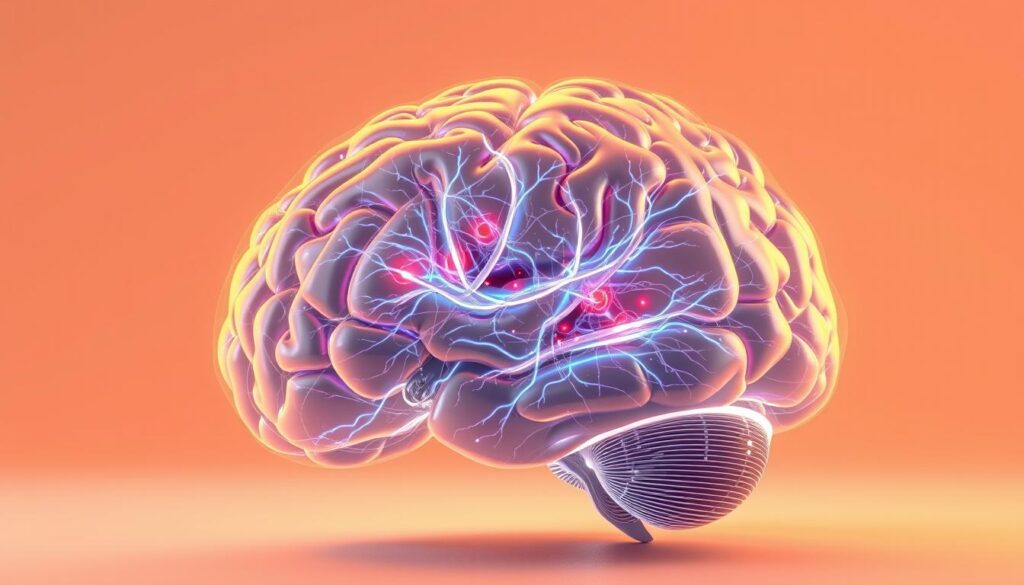
When you create pictures in your mind, you’re doing more than just daydreaming! You’re actually activating specific parts of your brain in ways that mimic real experiences. This is the neurological magic that explains why simply imagining something can have real effects on your body and performance.
Brain Regions Activated During Visualization
Here’s a cool fact: your brain often doesn’t know the difference between imagining an action and actually doing it. If you picture a scene, your visual cortex lights up. If you imagine yourself moving, your motor cortex gets activated.
Studies using fancy brain scans like fMRI show that mental visualization uses many of the same brain pathways as real experiences, just a bit less intensely. This is why athletes who mentally rehearse their performance can improve almost as much as those who physically practice!
The Mind-Body Connection
The impact of mental imagery isn’t just in your head; it reaches your whole body. When you vividly imagine something, your body often responds as if it’s truly happening. Your heart rate might tick up, muscles might slightly tense, and it can even influence your immune system.
This amazing mind-body link works through neural pathways that connect your brain’s activity directly to your physical functions. The more you practice, the stronger these connections become, making the link between your thoughts and your body’s responses even more powerful.
What Research Says
Science continues to back up the power of mental imagery:
- Athletes using visualization can show significant performance boosts.
- Surgical patients who visualize healing often recover faster.
- Research suggests mental imagery can even help reduce chronic pain.
- Stroke patients combining physical therapy with visualization regain movement quicker.
One famous study even found that people who mentally practiced piano exercises showed almost the same brain growth as those who physically practiced. This isn’t just psychological trickery; it’s about creating real, measurable changes in your brain that lead to real-world benefits!
The Secrets to Effective Mental Imagery Practice
Thinking about something isn’t enough; for mental imagery to really work its magic, there are a few key principles to follow. When you use these tips, your casual daydreams can become a powerful tool for growing personally, boosting performance, and even helping you heal. Let’s look at the four main ingredients for amazing guided imagery experiences.
Make It Real: Vividness and Detail
The more real your mental picture feels, the more your brain responds. Start simple with colors and shapes, then slowly add details like textures, lighting, and even specific objects.
Try this: Imagine holding a bright orange. Can you really see its vibrant color? Feel its bumpy skin? Smell that fresh citrus scent? The more senses you include, the more your brain acts as if it’s actually happening! Research shows that being more vivid leads to stronger brain responses and bigger benefits.
Feel It: Emotional Engagement
Emotions are like turbo-boosters for your mental imagery. When you genuinely feel emotions during your visualizations, you activate more brain networks, making the experience more impactful and memorable.
For example, if you’re imagining success, really feel that confidence, pride, and satisfaction. These positive emotions build stronger brain pathways, helping your imagery influence your real-world performance.
Practice Makes Perfect: Consistency and Repetition
Mental imagery works because your brain can form new connections (that’s neuroplasticity!). Just like hitting the gym, you need consistent practice for your imagery skills to develop.
Even just five minutes a day is way more effective than a long session every now and then. Many people find that combining imagery with meditation helps them stay focused and deepen their practice.
Engage All Your Senses: The Multisensory Approach
While “visualization” focuses on seeing, truly powerful imagery brings in all your senses. Don’t just see it – include sounds, physical sensations, smells, and even tastes related to what you’re imagining.
This multisensory approach lights up more parts of your brain, creating a richer, more immersive experience. Learning mindfulness can help you notice and use all these different sensory inputs.
Here’s a quick guide to leveling up your imagery skills:
| Principle | Beginner Level | Intermediate Level | Advanced Level |
|---|---|---|---|
| Vividness | Basic shapes and colors | Clear scenes with details | Photorealistic imagery with fine details |
| Emotional Engagement | Recognizing emotions | Generating specific feelings | Sustaining complex emotional states |
| Consistency | 2-3 times weekly | Daily practice | Multiple daily sessions |
| Sensory Elements | Visual focus | Visual + 1-2 other senses | Full multisensory integration |
Remember, mental imagery is a skill that gets better with practice. Even if it feels tricky at first, you can develop vivid, multi-sensory experiences over time, opening doors to better performance, faster healing, and a deeper sense of relaxation.
Double the Impact: The Power of Red Light Therapy & Mental Imagery Together
Imagine combining the physical benefits of red light therapy with the incredible power of your mind through mental imagery. This isn’t just a neat idea; it’s a huge step forward in wellness, creating results that are even bigger than what either therapy could achieve on its own. This dynamic duo tackles both your body and mind for a truly comprehensive approach to feeling great.
A Brain Boost, Synergistically!
Red light therapy actually prepares your brain for mental imagery. When that red light reaches your head, it boosts blood flow and energizes your brain cells. This creates the perfect conditions for your visualization exercises to really take hold.
This improved brain activity might even make your brain more “plastic” – meaning it’s better at forming new connections. This could make your visualizations even more effective at building lasting brain pathways.
“Combining red light therapy and mental imagery seems to boost cognitive enhancement in ways we haven’t seen with either therapy alone. The brain synergy is truly remarkable.”
Research even suggests red light therapy increases BDNF, a protein that helps brain cells grow and survive. So, when you practice mental imagery during this time, your brain might form even stronger connections related to what you’re visualizing.
Deeper Relaxation and Less Stress
Red light therapy sets the stage for powerful mental imagery by kickstarting your body’s relaxation response. It helps reduce inflammation, balances stress hormones like cortisol, and might even increase feel-good serotonin. This gets your body into a perfect state for deep mental relaxation.
This pairing creates a wonderful cycle: the physical calm from red light therapy makes your mental imagery more effective, and successful visualization then deepens that relaxation even further. Many people find they can reach much deeper meditative states when using both.
Supercharging Performance and Recovery
Athletes and performers are increasingly using this powerful combo to push their limits. Red light therapy prepares your muscles and eases physical tension, creating the ideal physical state for mental rehearsal. This helps refine movements and builds confidence.
This integrated approach works on both physical and mental levels. Red light therapy gets your body ready at a cellular level, while mental imagery reinforces the brain pathways for skilled movements and positive outcomes.
For recovery, this combination speeds up healing from multiple angles. Red light therapy helps repair tissues at the cellular level, while visualization helps maintain your skills even when you’re sidelined by injury.
Real Stories, Real Results
We’re seeing real-world proof of this combined approach’s power!
- Athletic Recovery: Olympic swimmers, for example, have reported faster recovery and improved focus when using both therapies.
- Chronic Pain: One study found fibromyalgia patients saw a 40% reduction in pain with combined therapy, compared to only 15-20% with either alone.
- Cognitive Boost: Students report sharper focus and better information recall when using red light therapy before visualization-based study. Creative pros note enhanced problem-solving and increased output.
This table shows how powerful the combination can be:
| Application | Red Light Therapy Alone | Mental Imagery Alone | Combined Approach |
|---|---|---|---|
| Athletic Recovery | Reduced inflammation, improved tissue repair | Maintained neural patterns, reduced stress | Comprehensive healing, faster return to peak performance |
| Cognitive Enhancement | Improved blood flow, increased BDNF | Strengthened neural pathways | Enhanced learning, improved memory retention |
| Stress Management | Reduced cortisol, physical relaxation | Mental calm, improved focus | Deep relaxation, improved resilience to stressors |
The potential for this combination is truly exciting, helping you achieve new levels of well-being and performance!
Developing Your Mental Imagery Practice
This starts with creating a practice that truly fits you – your goals, your style. Whether you’re totally new to this or just want to make your current routine even better, having a clear approach will help you get the most benefits and actually stick with it. Especially when combined with red light therapy, a well-developed mental imagery practice can create some powerful magic for both your mind and body.
Setting Clear Intentions
Every great mental imagery session begins with a clear purpose. Instead of just vaguely wishing to “be healthier,” get super specific. Try something like, “I’m visualizing increased blood flow to my healing knee,” or “I see myself confidently nailing that presentation.”
Your intentions should feel ambitious, but also believable. If your mind thinks it’s impossible, you’ll hit a wall. Start with goals that feel a little challenging but totally achievable, then gradually expand as your confidence grows.
Creating an Optimal Environment
Your surroundings play a big role in how well your mental imagery goes. Find a quiet spot where you won’t be interrupted. Soft lighting can create a calming vibe, and make sure the temperature is just right – not too hot, not too cold – so you can truly focus.
Even a comfy chair in a quiet corner with some headphones can become your mental sanctuary. Some people find that certain scents, like lavender or sandalwood, really help them relax and focus during their visualization sessions.
Relaxation Techniques as Preparation
Mental imagery works best when your mind is calm and open. Start with a few minutes of simple relaxation to get into the right headspace.
- Mindful Breathing: Just focus on your breath for 2-3 minutes. Notice thoughts as they come and go without judgment, then gently bring your attention back to your breathing.
- Progressive Muscle Relaxation: Starting at your feet and moving up, gently tense each muscle group for about five seconds, then completely release. This helps melt away physical tension that might distract you.
Guided vs. Self-Directed Imagery
You have options when it comes to mental imagery:
Guided Imagery: It is fantastic for beginners! Audio recordings or a live instructor will lead you through the visualization. Look for guides whose voice and pace you really connect with.
Self-Directed Imagery: As you get more skilled, you can take the reins and create your own visualizations. This gives you tons of flexibility to adjust things on the fly. Many people start with guided sessions and slowly transition to doing it themselves as they gain confidence.
Creating Your Own Imagery Scripts
Writing down your own personalized imagery scripts can really boost your practice. Start by simply jotting down exactly what you want to visualize, using clear, present-tense language. And don’t forget those sensory details! What do you see, hear, feel, smell, and even taste in your imagined scenario?
“The more senses you bring into your mental imagery, the more brain pathways you activate, creating a more powerful and lasting impact on both your mind and body.”
You can even record your scripts on your phone, or just read them slowly to yourself before closing your eyes. Over time, these personalized visualizations will become more automatic, and you’ll find it easier to create those vivid, detailed mental pictures.
Now, if writing from scratch feels a bit daunting, no worries at all! We’ve got you covered.
We’ve got something that can give you a real head start. Check out our expertly designed visualization scripts! You can totally skip the guesswork and jump straight into powerful mental imagery with our ready-to-use guides. Each script is super effective and walks you step-by-step through immersive exercises, helping you tap into the full power of your mind from day one. Ready to really get your practice going? Go explore our collection and start visualizing your success today!
Step-by-Step Protocol for Integrating Both Therapies
Ready to really make red light therapy and mental imagery work together for you? By following a smart, step-by-step approach, you can truly amplify how these two powerful tools benefit your brain and body. This isn’t just a routine; it’s a comprehensive wellness strategy that targets both your physical and mental well-being at the same time.
Phase 1: Get Ready (The Preparation Phase)
Before you dive in, set the stage for success.
- Set up your red light device: Place it according to the manufacturer’s instructions, ensuring you’re at the right distance for your goals.
- Create your zone: Dim the lights around you and minimize any distractions. Think quiet, calm, and comfortable.
- Quick mental reset: Take 2-3 minutes for a brief mindfulness exercise. Focus on your breathing, letting your mind gently shift from daily tasks to a receptive state. This little mental “cleanse” helps you get the most out of both therapies.
“Getting prepared is important; it lays the groundwork for powerful integration. A calm mind is simply more open to both the physical effects of light and the mental impact of imagery.”
Phase 2: During Your Red Light Session
As you’re soaking up the red light, bring your mental imagery into play.
- Feel the light: Start by simply noticing the sensation of the light on your skin.
- Visualize the energy: Imagine the red light penetrating deep into your tissues, energizing your cells.
- Picture the flow: Visualize increased blood flow rushing to the areas you’re treating, delivering oxygen and nutrients while clearing away waste. This focused intention can actually enhance the benefits by directing your body’s awareness to where it’s needed most.
Phase 3: Post-Treatment Mental Imagery
Right after your red light session, your brain is in an optimal state for change. This is the perfect time to really lean into your mental imagery.
- For better performance: See yourself executing skills flawlessly, with perfect form and total confidence.
- For pain relief: Imagine soothing sensations washing over any uncomfortable areas, replacing discomfort with calm.
- For stress relief: Create vivid mental scenes of peaceful places or situations that bring you deep relaxation.
Spend 5-10 minutes in this focused visualization. This timing maximizes the powerful combined effects of both therapies.
Phase 4: Track Your Progress and Adjust
To truly get the most out of this integrated routine, it’s essential to track your journey.
- Keep a simple record: Note down your session details (how long, device settings, what areas you treated).
- Log your imagery: Jot down the specific mental imagery exercises you did.
- Note your feelings: How did you feel physically and emotionally during and after the session?
- Track your goals: Are you seeing improvements in your pain, sleep, skin, or performance?
Reviewing your notes weekly helps you spot patterns and make smart adjustments to your routine based on what’s working best for your unique needs. This systematic approach ensures your practice is always evolving to serve you better.
Ready to Elevate Your Well-being?
You’ve seen how red light therapy boosts your body at a cellular level and how mental imagery can actually rewire your brain. While they seem different, bringing them together creates a powerful synergy for both your physical and mental health.
This guide showed you the science, helped you pick the right device, and gave you simple steps to combine these two amazing tools. It’s all about unlocking a new level of vitality. Go ahead and start exploring—your well-being awaits!