
Ever feel a little self-conscious about those scars or stretch marks? You’re definitely not alone! Turns out, about 85% of adults have these little reminders on their skin and wish they could make them less noticeable. For ages, we’ve relied on creams or more intense procedures, but guess what? There’s a cool new kid on the block that’s changing the game!
It’s called red light therapy (or photobiomodulation if you wanna get fancy). Basically, it’s a super cool science-backed way to heal your skin. This tech uses special light wavelengths that go deep into your skin, helping your cells repair themselves. The best part? No needles, no pain, and no downtime! You can just chill while the light does its thing.
What’s really awesome about red light therapy is how flexible it is. Whether you’ve got a surgical scar or stretch marks from pregnancy, these light waves actually work with your body’s natural healing process. It’s not about fighting against your skin; it’s about giving it a boost!
If you’ve tried every cream under the sun with no luck, this could be exactly what you’ve been looking for. Red light therapy helps your body make more collagen and speeds up tissue renewal, getting right to the root of those visible marks instead of just covering them up.
Ready to give your skin a glow-up with red light therapy?
Here’s the lowdown on why red light therapy is such a powerful tool for your skin:
- It boosts your body’s natural healing without any painful procedures or needles.
- It’s a two-in-one solution for both scars and stretch marks, tackling them the same effective way.
- You can literally chill during sessions—they’re painless and you don’t need any recovery time afterward.
- Think of it like a gradual glow-up! You’ll see improvements over time as your skin ramps up collagen production.
- Science backs it up! Studies show it really does make your skin look and feel better.
- It’s safe for all skin types with hardly any risk of side effects.
Red Light Therapy: Easy Skin Healing
Most of us have scars and wish they’d just fade away. For ages, we’ve tried all sorts of creams and even some intense procedures, but guess what? Red light therapy is a totally different approach.
It’s a super gentle way to heal your skin, unlike those harsh chemicals or painful treatments you might have tried before. Red light therapy actually works with your body’s natural healing process, which is pretty amazing. It’s gotten really popular because it can tackle all sorts of skin issues without any of those annoying downsides.
So, how does it work? Think of it like this: special light waves go deep into your skin and wake up your cells, telling them to get to work on healing. It’s so simple and effective, making it a great natural choice for anyone looking to improve their skin.
Why Red Light Therapy is Different (in a Good Way!)
What makes red light therapy really stand out from other skin treatments? It’s all about the light itself. It uses specific red light waves that can reach much deeper into your skin than most creams ever could. And here’s the best part: unlike lasers that actually cause tiny bits of damage to kickstart healing, red light therapy heals your skin without harming it at all.
It’s not about harsh chemicals or rough scrubbing. Instead, your skin cells just naturally respond to these specific light frequencies. This means your skin gets better without having to go through any initial damage – pretty revolutionary for skincare, right?
Super Safe and Zero Downtime
One of the coolest things about red light therapy is how incredibly safe it is. We’re talking no needles, no cutting, and absolutely no recovery time. You just chill while the light does its thing, and then you’re free to go about your day!
This gentle approach means it’s usually great for all skin types, even if you have super sensitive skin. Plus, there’s no pain and hardly any side effects, which is why more and more people are choosing this laid-back way to care for their skin.
How Red Light Gives Your Skin a Boost
The science behind red light therapy is actually pretty neat. When those red light photons hit your skin, they’re soaked up by the tiny powerhouses inside your cells called mitochondria. This absorption gives your cells a much-needed energy boost.
With all that extra energy, your skin cells can do their jobs way better. This means:
- More collagen, which helps make your skin stronger and can reduce the look of scars.
- Better tissue repair, leading to smoother skin texture.
- Improved circulation, bringing more good stuff to your skin for a healthier glow.
- Less inflammation, which can calm down redness and swelling.
The beauty of all this is that it simply helps your body’s own healing systems work better. Your skin cells respond to the light by becoming more efficient, making red light therapy a powerful yet super gentle way to heal your skin.
How Red Light Actually Heals Your Skin (The Cool Science Bit!)
You know how red light therapy makes your skin look better? Well, there’s some seriously cool stuff happening behind the scenes! When those special red light waves hit your skin, they kick off a whole bunch of reactions inside your cells that basically tell your skin to heal and regenerate. Understanding this helps you see why red light therapy isn’t just a quick fix, it’s about real, deep-down repair.
Giving Your Skin a Collagen & Elastin Boost
Collagen and elastin are like the scaffolding and springs for your skin – they give it structure and keep it bouncy. As we get older, or if our skin gets damaged (hello, scars!), our bodies slow down on making these important proteins.
But red light therapy changes that! It actually wakes up special cells called fibroblasts, which are like tiny collagen and elastin factories. When these factories get busy, they start cranking out fresh collagen, which helps to plump up scars, smooth out wrinkles, and give your skin back its youthful bounce.
Calming Down Skin Inflammation
Inflammation is your body’s way of saying, “Hey, something’s wrong here!” but sometimes it goes overboard and actually gets in the way of healing. Red light therapy is awesome because it has this incredible ability to calm down inflammation.
It dials down the stuff that causes inflammation and boosts the good guys that fight it. This creates the perfect environment for your skin to heal without all that redness, swelling, and discomfort. For scars and stretch marks, that means a much smoother, less irritated repair process.
Boosting Blood Flow for Faster Healing
Your blood is like a delivery service, bringing all the good stuff (oxygen, nutrients) to your skin and taking away the trash. Good blood flow is super important for healing. Red light therapy actually makes your tiny blood vessels wider and even helps new ones form, boosting circulation in damaged areas.
More blood flow means all those healing components get to where they need to go much faster, and damaged cells get whisked away. It’s like clearing the path for speedy skin repair!
Powering Up Your Cells for Regeneration
At its core, red light therapy is all about giving your cells an energy shot. It targets the “powerhouses” of your cells, called mitochondria, helping them make more ATP (which is basically cell fuel!).
This energy burst gets all sorts of important growth factors and signals buzzing, directing your cells to move, multiply, and transform, orchestrating the whole complex dance of replacing old, damaged tissue with fresh, healthy skin.
So, when you put all these amazing biological processes together, you can see why red light therapy offers such incredible benefits for your skin. It’s not just covering up issues; it’s getting to the very root of skin damage and helping your body heal itself naturally. Pretty cool!
Transforming Scars with Red Light Therapy
Scarring represents one of skin’s most challenging healing processes, but red light therapy is changing how we approach these persistent marks. Whether from injury, surgery, acne, or other skin trauma, scars can impact both appearance and confidence. The good news is that this gentle light-based treatment offers promising results for various scar types without the downtime or discomfort of more invasive procedures.
Red light therapy works with your body’s natural healing mechanisms to gradually improve scar appearance. Unlike harsh chemical treatments or abrasive procedures, it stimulates regeneration at the cellular level, making it suitable for sensitive skin and various scar conditions.
The Different Types of Scars and Their Characteristics
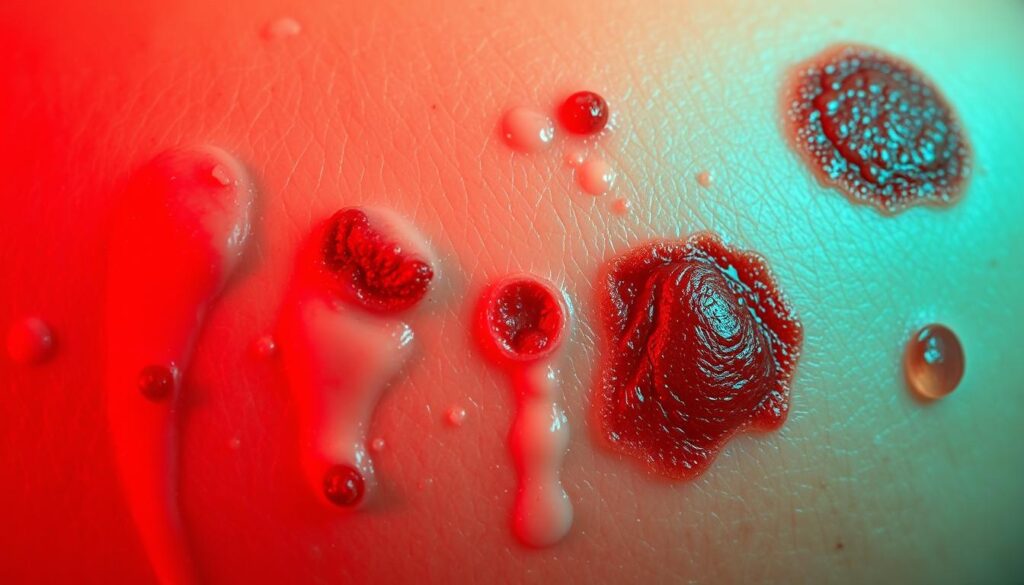
Not all scars are created equal. Hypertrophic scars appear raised and red but stay within the boundaries of the original wound. Keloid scars grow beyond the original injury site, forming smooth, hard growths that can continue expanding over time.
Atrophic scars create depressions in the skin, commonly seen with acne or chickenpox. Contracture scars, often resulting from burns, tighten the skin and may impair movement. Understanding your specific scar type is crucial for effective treatment planning.
Red Light Therapy’s Effect on Scar Tissue
Red light therapy penetrates the skin to reach scar tissue at the cellular level. It stimulates fibroblasts—cells responsible for collagen production—helping to reorganize the collagen fibers that form scar tissue. This reorganization creates a more normal skin structure rather than the disorganized pattern typical in scars.
The therapy also reduces inflammation and improves blood circulation to the scar area. This enhanced blood flow delivers more oxygen and nutrients to the healing tissues while removing waste products, creating optimal conditions for scar improvement.
Treatment Approaches for Various Scar Types
Different scars respond uniquely to red light therapy, requiring tailored treatment approaches. The age, size, and type of scar all influence the treatment protocol and expected outcomes. Let’s explore specific approaches for various scar conditions.
Recent Scars: Hypertrophic and Keloid Prevention
For fresh scars less than six months old, red light therapy can help prevent the formation of problematic raised scars. Early intervention is key—starting treatment shortly after the wound has closed can significantly reduce the likelihood of hypertrophic or keloid development.
Regular sessions help normalize collagen production during the critical healing phase. Most experts recommend beginning treatment 2-3 weeks after wound closure, with sessions 2-3 times weekly for optimal prevention.
Older Scars: Atrophic and Acne Scarring
Depressed scars like those from acne respond well to red light therapy’s collagen-stimulating effects. The light energy helps fill in depressions by promoting new collagen formation beneath the scar. For these established scars, patience is essential—visible improvements typically begin after 8-12 weeks of consistent treatment.
Combining red light therapy with topical vitamin C serums or retinoids may enhance results for atrophic scarring. This multi-faceted approach addresses both texture and discoloration issues common with acne scars.
Surgical and Burn Scar Treatment
Surgical scars benefit from red light therapy’s ability to reduce redness and flatten raised areas. For optimal results, treatment can begin once sutures are removed and the wound is fully closed. The therapy helps minimize the appearance of the incision line and improves overall healing.
Burn scars present unique challenges due to their contracture properties. Red light therapy helps increase skin elasticity and reduce tightness by promoting more flexible collagen formation. For extensive burn scarring, combining professional treatments with at-home maintenance often yields the best outcomes.
Realistic Expectations and Results
While red light therapy can significantly improve scar appearance, complete elimination is rarely possible. Most patients notice gradual improvements in texture, color, and size rather than total disappearance. Newer scars typically respond faster than older, more established ones.
Consistency is crucial—most treatment protocols require 2-3 sessions weekly for at least 8-12 weeks before significant changes become visible. Some scars may continue improving with ongoing maintenance treatments. Individual results vary based on scar type, age, location, and your body’s unique healing response.
Diminishing Stretch Marks Through Red Light Therapy
The battle against stretch marks has found a powerful ally in red light therapy, a treatment that works with your body’s natural healing processes. This innovative approach offers hope to those who have tried countless creams and treatments with limited success. By targeting the deeper layers of skin where stretch marks form, red light therapy provides a non-invasive option for improving their appearance.
What Causes Stretch Marks to Form
Stretch marks develop when skin stretches rapidly during pregnancy, weight changes, or growth spurts. This sudden stretching tears the middle layer of skin (dermis), disrupting collagen and elastin fibers. As the body repairs these tears, it creates scar tissue that appears as streaks on the skin’s surface.
Initially, these marks appear red or purple due to visible blood vessels beneath thin skin. Over time, they fade to white or silver as the blood vessels contract and fat becomes visible through the skin.
How Red Light Therapy Addresses Stretch Mark Tissue
Red light therapy penetrates the skin to reach the damaged dermal layer where stretch marks originate. The light energy stimulates fibroblast cells, which are responsible for producing collagen and elastin – the building blocks of healthy skin.
This therapy also improves blood circulation to the affected areas, delivering more oxygen and nutrients to support healing. The increased cellular activity helps reorganize collagen fibers and promotes more normal skin structure in the stretch mark tissue.
Treatment Strategies for Different Stretch Marks
Effective treatment approaches vary depending on the age and appearance of your stretch marks.
Fresh Red/Purple Stretch Marks
Newer stretch marks respond particularly well to red light therapy. Their reddish appearance indicates active blood vessels and ongoing healing processes that red light can enhance. These fresh marks often show visible improvement after just a few sessions, with studies suggesting up to 60% reduction in appearance over a complete treatment course.
Mature White/Silver Stretch Marks
Older stretch marks require more patience but can still benefit significantly. For these established marks, consistent treatment stimulates dormant cellular processes. Combining red light therapy with gentle exfoliation can improve results by allowing deeper light penetration into the affected tissue.
Texture and Color Improvement
Beyond visual appearance, red light therapy helps normalize the texture of stretch marks. Many users report smoother skin as the indented or raised nature of the marks diminishes. Color improvements occur as melanin production normalizes and blood flow increases to the area.
What Results to Anticipate
Most people see gradual improvements over 8-12 weeks of regular treatments. While complete elimination of stretch marks is rare, many experience a 20-60% improvement in appearance. Factors affecting results include the age of stretch marks, skin type, consistency of treatments, and individual healing capacity.
For optimal benefits, most practitioners recommend 2-3 sessions weekly for at least two months, with maintenance treatments thereafter to preserve results.
Practical Guide to Red Light Therapy Treatments
To harness the skin healing power of red light therapy effectively, you’ll need to understand the available treatment options and best practices. Whether you’re looking to fade scars, reduce stretch marks, or improve overall skin health, having a clear strategy will maximize your results. This guide will help you navigate the choices between home and professional treatments while establishing a safe and effective routine.
Comparing Home Devices and Professional Treatments
The red light therapy market offers two main paths: investing in a personal device or visiting professionals for treatments. Each option has distinct advantages depending on your needs, budget, and skin goals.
At-Home Red Light Therapy Options
Home devices bring convenience and long-term cost savings to your skin healing journey. These range from handheld wands and masks to larger panels and full-body systems.Portable devices typically cost between $100-$300and work well for treating specific areas like facial scars or small stretch marks.
Larger panel systems, while more expensive ($500-$3,000), provide more comprehensive coverage and often deliver professional-level power outputs. The main advantage is unlimited access—you can maintain consistent treatments without scheduling appointments.
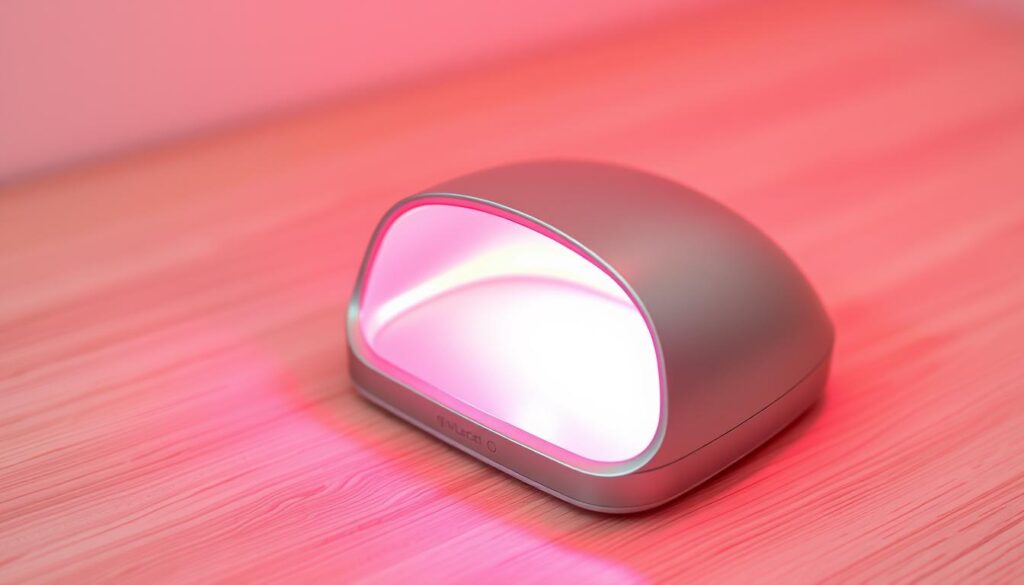
However, home devices generally have lower power outputs than professional equipment, which may mean longer treatment sessions or more time to see results. Without expert guidance, you might also miss optimal positioning or treatment techniques.
Clinical and Spa Treatments
Professional red light therapy sessions offer several advantages over home treatments. Clinics and medical spas use commercial-grade equipment with higher power outputs and precise wavelength calibration, potentially delivering faster results.
These sessions include expert oversight from trained professionals who can customize treatments for your specific skin concerns. They’ll adjust positioning, duration, and intensity based on your progress and needs.
| Feature | Home Devices | Professional Treatments | Best For | |
|---|---|---|---|---|
| Initial Cost | $100-$3,000 one-time | $50-$150 per session | Home: Long-term use | Pro: Trial period |
| Power Output | Low to moderate | High to clinical-grade | Pro: Stubborn scars | |
| Convenience | Anytime access | Scheduled appointments | Home: Busy schedules | |
| Expert Guidance | Self-directed | Professional oversight | Pro: Complex skin issues | |
| Treatment Area | Device-dependent | Full-body options | Pro: Multiple treatment areas |
Developing an Effective Treatment Protocol
Consistency is the cornerstone of successful red light therapy. For most skin healing applications, treatments 3-5 times per week show the best results. Each session typically lasts between 10-20 minutes, depending on the device power and your specific skin concerns.Patience is essentialas visible improvements in scars and stretch marks generally begin after 4-6 weeks of regular treatment. Taking “before” photos helps track subtle changes that might otherwise go unnoticed.
For optimal results, position the light source 6-12 inches from your skin (follow device-specific guidelines) and ensure the treatment area is clean and product-free. Some experts recommend gentle exfoliation before sessions to enhance light penetration.
Safety Considerations and Potential Side Effects
Red light therapy has an excellent safety profile compared to many other skin treatments. However, certain precautions should be observed to ensure safe and effective use.
Always protect your eyes during treatments with appropriate eyewear, especially with higher-powered devices. The intense light can potentially cause eye strain or damage with direct exposure.
People taking photosensitizing medications should consult healthcare providers before starting treatment. These medications can increase sensitivity to light and potentially cause skin reactions.
Side effects are typically minimal but may include:
- Temporary redness that subsides within hours
- Mild warmth or tingling during treatment
- Occasional headaches from bright light exposure
- Potential skin dryness with frequent use
If you’re pregnant, have an active skin infection, or have been diagnosed with a photosensitive condition like lupus, consult with a healthcare provider before beginning red light therapy for skin healing.
Enhancing Results: Complementary Approaches to Red Light Therapy
To truly harness the transformative power of red light therapy for scars and stretch marks, consider integrating supportive skincare products and intentional lifestyle changes. While red light therapy works effectively on its own, creating a comprehensive healing environment can maximize your results and accelerate progress. Think of these complementary approaches as teammates working alongside your light therapy sessions to achieve optimal skin regeneration.
Skincare Products That Work Well with Red Light Therapy
Certain skincare ingredients can enhance the effects of red light therapy when treating scars and stretch marks. Vitamin C serums provide antioxidant protection while boosting collagen production—a perfect complement to red light’s collagen-stimulating effects.
Hyaluronic acid products help maintain optimal hydration levels, creating an ideal environment for healing damaged skin. Peptide-based formulations support the skin’s repair mechanisms, while gentle retinoids can accelerate cell turnover when used between light therapy sessions.
For best results, apply these products after your red light therapy treatment when your skin’s absorption capabilities are heightened. This timing allows the beneficial ingredients to penetrate more deeply into the healing tissues of scars and stretch marks.
Lifestyle Factors That Support Skin Healing
What you do between red light therapy sessions significantly impacts your skin’s healing capacity. Nutrition plays a crucial role—foods rich in antioxidants, essential fatty acids, and protein provide the building blocks your skin needs to repair damaged tissue in scars and stretch marks.
Staying well-hydrated ensures your skin cells function optimally during the healing process. Quality sleep gives your body time to regenerate, while effective stress management prevents cortisol spikes that can slow healing and worsen inflammation.
Don’t underestimate the importance of sun protection—UV exposure can darken scars and stretch marks, potentially counteracting the benefits of your red light therapy. By addressing these lifestyle factors, you create an internal environment that amplifies the healing effects of your treatments.
Conclusion
Red light therapy offers a promising path for those looking to improve scars and stretch marks without invasive procedures. The gentle wavelengths work at the cellular level, stimulating natural healing processes that can gradually transform skin appearance.
Throughout this journey, we’ve explored how red light therapy benefits skin by boosting collagen production, reducing inflammation, and enhancing blood flow to damaged tissues. These processes work together to soften scars and fade stretch marks over time.
When considering red light therapy for skin concerns, remember that patience is key. Results typically develop over weeks or months of consistent treatment. While not a miracle solution, many users report noticeable improvements in texture, color, and overall appearance of their skin imperfections.
Before starting any red light therapy regimen, speak with a healthcare provider, especially if you have sensitive skin or medical conditions. This information is meant to educate rather than replace professional medical advice.
With the right approach—combining regular red light sessions, supportive skincare, and healthy lifestyle habits—you now have the tools to take control of your skin healing journey. The power of red light therapy lies not just in its scientific backing, but in giving you a gentle, natural option for addressing skin concerns that may have seemed permanent.