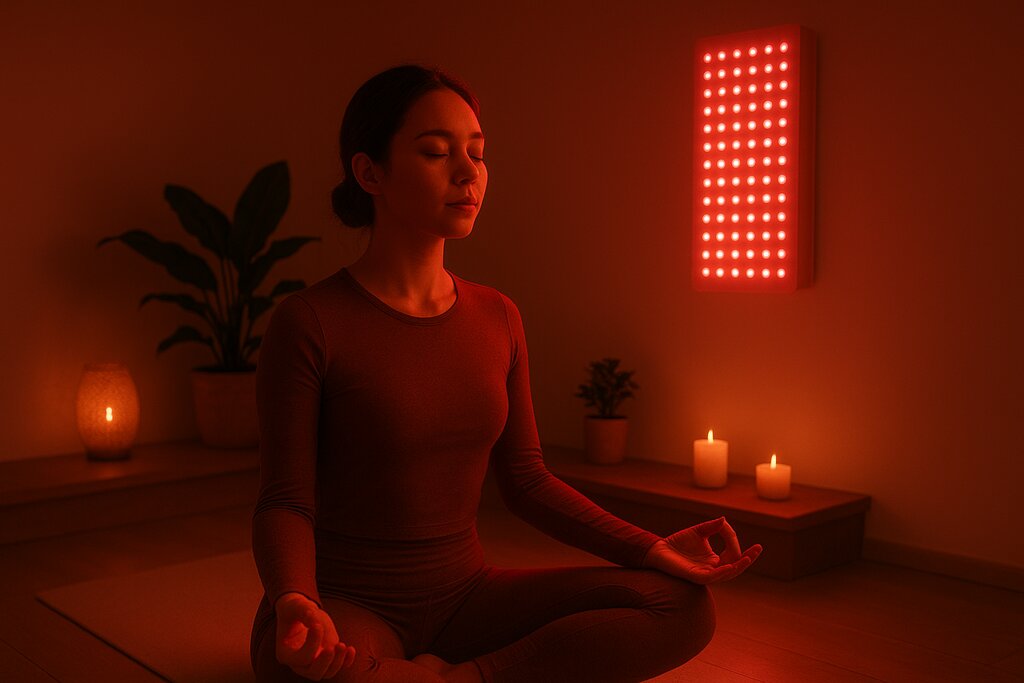
We live in a world where wellness practices are constantly evolving. Today, we’re discovering how combining specific light wavelengths with mindful practices creates something truly remarkable. This innovative approach brings together two powerful healing methods that work better together than apart.
Red light therapy meditation represents a breakthrough in holistic wellness. We harness the natural power of targeted light frequencies while deepening our inner awareness. This combination offers us a unique path to enhanced relaxation and mental clarity.
The science behind this synergy is fascinating. Light therapy benefits include reduced inflammation, improved cellular function, and enhanced mood regulation. When we pair these effects with focused breathing and mindfulness, we create an optimal environment for healing.
Our journey into meditation enhancement through light exposure opens new possibilities. We can achieve deeper states of calm while supporting our body’s natural recovery processes. This dual approach transforms our daily practice into something more powerful and restorative.
Key Takeaways
- Red light therapy uses specific wavelengths to promote healing and reduce inflammation naturally
- Combining light exposure with meditation creates enhanced relaxation and mental clarity
- This practice supports both physical recovery and emotional well-being simultaneously
- The synergy between light and mindfulness amplifies the benefits of each individual practice
- Regular sessions can improve mood, focus, and overall wellness outcomes
What We Need to Know About Red Light Therapy
When we explore the fundamentals of red light therapy, we discover a powerful tool that transforms our wellness journey. This innovative approach combines cutting-edge science with natural healing principles. Understanding these basics helps us maximize our meditation practice and overall well-being.
Red light therapy works through a process called photobiomodulation, where specific light frequencies interact with our cells. Our bodies respond to these therapeutic light exposures in remarkable ways. The science behind this practice continues to evolve as researchers uncover new benefits.
Understanding Red Light Therapy Basics
Red light therapy uses precise red light wavelengths between 630 and 1064 nanometers to promote healing. These specific frequencies penetrate our skin at different depths. The 630-700nm range targets surface tissues, while 700-1064nm reaches deeper into our muscles and organs.
We call this treatment low-level laser therapy because it uses gentle, non-heating light. Unlike harsh UV rays, therapeutic light doesn’t damage our skin cells. Instead, it provides energy that our cells can use for repair and regeneration.
The treatment involves exposing our body to LED panels or laser devices for specific time periods. Most sessions last between 10 to 20 minutes depending on the device and treatment area. We can use these devices at home or visit professional clinics for more powerful treatments.
How Red Light Affects Our Cellular Health
Our cells contain tiny powerhouses called mitochondria that produce energy for all cellular functions. When therapeutic light reaches these mitochondria, it stimulates ATP production. ATP serves as the primary energy currency that fuels cellular repair processes throughout our body.
This increased energy production helps our cells work more efficiently. Damaged cells can repair themselves faster when they have adequate energy supplies. The process also reduces harmful free radicals that contribute to aging and disease.
Red light wavelengths also improve blood circulation in treated areas. Better circulation means more oxygen and nutrients reach our cells. This enhanced delivery system supports faster healing and reduces inflammation naturally.
| Wavelength Range | Penetration Depth | Primary Benefits | Best Applications |
|---|---|---|---|
| 630-660nm | Surface to 1cm | Skin health, wound healing | Facial treatments, minor cuts |
| 660-700nm | 1-2cm deep | Muscle recovery, pain relief | Joint pain, muscle soreness |
| 700-850nm | 2-4cm deep | Deep tissue healing | Sports injuries, chronic pain |
| 850-1064nm | 4-6cm deep | Bone and organ support | Bone healing, internal organs |
Key Wellness Benefits We Can Experience
Regular red light therapy sessions offer numerous health improvements that enhance our daily lives. Improved sleep quality ranks among the most reported benefits from users worldwide. The therapy helps regulate our circadian rhythms and promotes deeper, more restful sleep.
Pain reduction represents another significant advantage of consistent photobiomodulation treatments. Many people experience relief from chronic joint pain, muscle soreness, and inflammation. The anti-inflammatory effects occur naturally without pharmaceutical interventions.
Our skin health improves dramatically with regular red light exposure. Increased collagen production reduces fine lines and wrinkles while improving overall skin texture. Many users report a more youthful, radiant complexion after several weeks of treatment.
Mental clarity and mood enhancement often accompany physical improvements from red light therapy. The increased cellular energy production may support better brain function. Some studies suggest that therapeutic light exposure can help reduce symptoms of seasonal depression and anxiety.
Athletic performance and recovery benefit significantly from red light wavelengths. Professional athletes use these treatments to reduce muscle fatigue and speed up recovery times. The enhanced cellular repair processes help prevent injuries and maintain peak physical condition.
Meditation Fundamentals That Set Us Up for Success
Building a strong meditation foundation becomes essential when we want to maximize our red light therapy sessions. When we understand core meditation principles, we create the perfect environment for deeper healing and transformation. This foundation helps us stay focused and present during our combined practice sessions.
The journey toward effective mindfulness meditation requires patience and consistent effort. We must remember that meditation skills develop gradually over time. Each session builds upon the previous one, creating lasting changes in our mental and physical well-being.
Essential Principles We Should Master
Three fundamental principles form the backbone of successful meditation practice. Focused attention helps us direct our mental energy toward specific objects, thoughts, or sensations. This skill becomes particularly valuable when we combine meditation with red light therapy.
Present-moment awareness keeps us anchored in the here and now. We learn to observe our current experience without getting lost in past regrets or future worries. This awareness enhances our ability to receive the full benefits of red light exposure.
The third principle involves non-judgmental observation of our thoughts and sensations. We practice watching our mental activity without criticism or attachment. This gentle approach creates space for healing and transformation to occur naturally.
Meditation Styles to Consider
Different meditation techniques offer unique benefits that complement red light therapy in various ways. We can choose the style that resonates most with our personal preferences and goals. Each approach provides a different pathway to inner peace and healing.
| Meditation Style | Primary Focus | Key Benefits | Red Light Synergy |
|---|---|---|---|
| Mindfulness Meditation | Present-moment awareness | Reduced anxiety, improved focus | Enhanced cellular awareness |
| Guided Meditation | Following verbal instructions | Easier for beginners, structured practice | Directed healing visualization |
| Breathing Techniques | Breath control and rhythm | Immediate stress relief, nervous system regulation | Improved oxygen circulation |
| Body Scan Practice | Physical sensation awareness | Muscle relaxation, pain reduction | Targeted healing focus |
Guided meditation works particularly well for beginners who need structure and direction. The verbal guidance helps us stay focused while the red light works on our cellular level. This combination creates a powerful healing environment.
How Regular Practice Transforms Our Well-being
Consistent meditation practice creates remarkable changes in our physical and mental health. Research shows that regular sessions promote neuroplasticity, allowing our brains to form new neural pathways. This process supports healing at the cellular level.
We experience significant stress reduction through lowered cortisol levels in our bloodstream. Our sleep quality improves dramatically as our nervous system learns to relax more easily. These changes happen gradually but become more noticeable with consistent practice.
Our immune system grows stronger as meditation reduces chronic inflammation throughout our body. Better digestion and improved emotional regulation become natural side effects of regular practice. When we combine these benefits with red light therapy, we amplify the healing potential of both practices.
Why Redlight Therapy Meditation Creates Powerful Synergy
When we combine red light therapy with meditation, something remarkable happens in our brains. This powerful partnership creates meditation synergy that goes far beyond what either practice can achieve alone. The science behind this combination reveals why so many people are discovering life-changing results.
Both practices work together to optimize our nervous system function in ways that complement each other perfectly. Red light therapy stimulates the same beneficial brainwave states that we naturally enter during deep meditation. This creates a foundation that makes our meditation practice more effective and accessible.
The Science Behind Combined Light and Mindfulness
Research shows us that red light therapy directly influences our brain’s electrical activity. The specific wavelengths penetrate our tissues and stimulate cellular processes that promote relaxation. These same processes encourage our brains to produce alpha waves and theta waves.
Alpha waves occur when we feel calm and focused, while theta waves appear during deep meditation and creative states. When we practice meditation under red light, we can access these beneficial frequencies more easily. This scientific foundation explains why the combination feels so natural and effective.

Studies also reveal that this combination improves heart rate variability (HRV). HRV is a key marker that shows how well our nervous system can adapt to stress. Higher HRV indicates better resilience and overall health.
How Red Light Deepens Our Meditative State
We find that red light creates an ideal environment for deeper meditation experiences. The gentle warmth and soft glow naturally signal our bodies to relax. This physical response makes it easier to quiet our minds and settle into stillness.
The light therapy also reduces cortisol levels, our primary stress hormone. Lower cortisol means less mental chatter and fewer distractions during meditation. We can maintain focus longer and experience more profound states of awareness.
Many practitioners report entering meditative states faster when using red light. The theta waves that red light encourages are the same frequencies associated with deep spiritual experiences and healing.
Neurological Changes We Experience Together
The neurological benefits of this combination extend throughout our entire nervous system. We experience increased production of beneficial neurotransmitters like serotonin and dopamine. These chemicals support mood balance and feelings of well-being.
Our brain’s default mode network also becomes more balanced. This network is responsible for self-referential thinking and mind-wandering. When it functions optimally, we experience less anxiety and more present-moment awareness.
The meditation synergy we create also enhances neuroplasticity. This means our brains become more adaptable and better at forming new, healthy patterns. These changes support long-term mental and emotional resilience.
Life-Changing Benefits We Gain from This Powerful Combination
The powerful combination of red light therapy and meditation delivers life-changing benefits that exceed what either practice offers alone. When we integrate these two wellness approaches, we create a synergistic effect that transforms our physical health, mental state, and overall quality of life. The science behind this combination reveals how red light enhances our body’s natural healing processes while meditation optimizes our mental and emotional well-being.
Our bodies respond to this dual approach in ways that surprise even experienced practitioners. The red light stimulates cellular energy production while meditation activates our parasympathetic nervous system. Together, they create an environment where healing accelerates and wellness flourishes.
Deeper Relaxation and Stress Relief
We experience profound stress relief when red light therapy meets our meditation practice. The gentle warmth of red light helps our nervous system shift into a deeply relaxed state more quickly than meditation alone. Our cortisol levels drop significantly during these combined sessions.
The red light wavelengths trigger the release of nitric oxide in our blood vessels. This natural process improves circulation and helps our muscles release tension. Meanwhile, our meditation practice calms the mental chatter that often keeps us stressed.
Many of us notice that our stress relief lasts longer after these combined sessions. The cellular changes from red light therapy support our body’s natural relaxation response for hours after we finish our practice.
Enhanced Sleep Quality and Energy Levels
Our sleep improvement becomes remarkable when we combine these practices before bedtime. Red light therapy helps regulate our circadian rhythms by supporting natural melatonin production. The meditation component quiets our racing thoughts that often prevent restful sleep.
We wake up feeling more refreshed because our cells produce more ATP during red light exposure. This increased cellular energy translates into sustained vitality throughout our day. Our energy levels remain stable without the typical afternoon crashes.
The timing of our sessions matters for sleep improvement. Evening sessions prepare our bodies for rest, while morning sessions energize us naturally. We find that consistent practice creates a positive cycle of better sleep leading to more energy.
Improved Mental Focus and Emotional Balance
Our mental clarity sharpens dramatically through this combined approach. Red light therapy increases blood flow to our brain, delivering more oxygen and nutrients to support cognitive function. Meditation trains our attention and reduces mental fog.
Emotional wellness becomes more accessible as we practice regularly. The red light helps regulate neurotransmitter production, including serotonin and dopamine. These brain chemicals play crucial roles in our mood stability and emotional resilience.
We notice improved focus during work and daily activities. Our ability to concentrate for extended periods increases, and we feel less scattered or overwhelmed. The emotional balance we gain helps us respond to challenges with greater calm and clarity.
Accelerated Physical Recovery and Healing
Physical recovery accelerates when we combine red light therapy with meditation. The light stimulates collagen production, which supports tissue repair and skin health. Our meditation practice reduces inflammation by lowering stress hormones that can slow healing.
Athletes and fitness enthusiasts among us report faster muscle recovery after workouts. The red light reduces exercise-induced inflammation while meditation supports our body’s natural repair processes. Chronic pain often diminishes with consistent practice.
Wound healing improves as the red light increases cellular metabolism and blood flow to injured areas. The stress reduction from meditation creates optimal conditions for our immune system to function effectively.
| Benefit Category | Red Light Therapy Alone | Meditation Alone | Combined Practice |
|---|---|---|---|
| Stress Relief | Moderate muscle relaxation | Mental calm and focus | Deep nervous system reset |
| Sleep Quality | Circadian rhythm support | Quieted mental chatter | Complete sleep optimization |
| Mental Clarity | Increased brain blood flow | Enhanced attention training | Superior cognitive performance |
| Physical Recovery | Cellular repair stimulation | Inflammation reduction | Accelerated healing process |
The transformative benefits we experience through red light therapy meditation extend far beyond what we initially expect. Our overall emotional wellness improves as we develop greater resilience to daily stressors. The combination creates lasting changes that enhance every aspect of our lives, from our relationships to our professional performance.
Choosing the Right Equipment for Our Practice
Our journey toward deeper meditation begins with choosing equipment that supports both light therapy and mindfulness goals. The right therapy equipment creates the foundation for transformative sessions that heal our body while calming our mind.
When we select red light devices, we invest in our long-term wellness. Quality equipment makes the difference between basic relaxation and profound healing experiences.
Red Light Therapy Devices We Recommend
The market offers many options for red light devices, but we focus on proven solutions. Professional-grade equipment delivers consistent results that support our meditation practice.
Red light therapy masks provide convenient facial treatment during seated meditation. These devices fit comfortably over our face while we focus on breathing techniques.
LED panels offer full-body coverage for comprehensive sessions. We can position ourselves comfortably while receiving therapeutic light across large areas. These devices work perfectly for lying meditation or gentle stretching.
Handheld devices provide targeted treatment and portability. We can focus light on specific areas while maintaining meditation postures. They travel easily and store conveniently in small spaces.
Key Features to Look For
Essential features enhance our meditation experience significantly. Adjustable intensity settings let us customize light levels for different session types. Timer functions prevent interruptions during deep meditation states.
Wavelength ranges between 660-850nm provide optimal therapeutic benefits. Pulse frequency options add versatility to our practice routine.
The Lumaflex Body Pro exemplifies advanced customization with app-controlled pulse frequencies up to 100Hz. This technology allows us to tailor sessions for various meditation styles and personal preferences.
| Device Type | Coverage Area | Best For | Portability | Price Range |
|---|---|---|---|---|
| LED Panels | Full Body | Deep meditation sessions | Stationary | $200-$800 |
| Handheld Devices | Targeted Areas | Focused treatment | Highly Portable | $50-$300 |
| Face Masks | Facial Only | Seated meditation | Moderate | $100-$400 |
| Flexible Wraps | Body Sections | Movement practices | Very Portable | $150-$500 |
Creating Our Ideal Meditation Environment
Our meditation space influences session quality dramatically. We position light sources to avoid glare while ensuring even coverage. Comfortable seating or lying positions support extended practice periods.
Room temperature affects our comfort during sessions. We maintain moderate temperatures that prevent overheating under therapeutic lights. Proper ventilation keeps air fresh and supports deep breathing.
Lighting placement requires careful consideration. We avoid direct eye exposure while maximizing therapeutic benefits. Distance and angle adjustments optimize both safety and effectiveness.
Helpful Accessories That Enhance Sessions
Quality accessories transform our meditation space into a healing sanctuary. Comfortable meditation cushions support proper posture during extended sessions. Soft blankets provide warmth and security.
Eye protection becomes necessary with certain device types. We use appropriate eyewear when recommended by manufacturers. This safety measure protects our vision while allowing therapeutic benefits.
Aromatherapy diffusers create multi-sensory healing environments. Essential oils like lavender or eucalyptus complement our light therapy sessions. The combination engages multiple senses for deeper relaxation.
Sound systems or noise machines help maintain focus. We choose gentle nature sounds or meditation music that supports our practice. Volume levels should enhance rather than distract from our sessions.
Storage solutions keep our therapy equipment organized and accessible. Dedicated spaces for devices and accessories encourage consistent practice. Clean, organized environments support peaceful meditation states.
Setting Up Our Red Light Therapy Meditation Space
Our red light therapy meditation space becomes a sanctuary when we optimize every detail for success. The right environment enhances both our safety and the therapeutic benefits we receive. Creating this perfect balance requires thoughtful planning and attention to specific guidelines.
A well-designed meditation setup transforms our practice from ordinary to extraordinary. We need to consider multiple factors that work together harmoniously. Each element plays a crucial role in our overall experience.
Optimizing Room Conditions for Success
Temperature control forms the foundation of our comfortable practice space. We should maintain our room between 68-72°F to prevent distractions from being too hot or cold. This range helps our body relax naturally during sessions.
Noise reduction creates the peaceful atmosphere we need for deep meditation. We can use soft furnishings like cushions, rugs, or curtains to absorb unwanted sounds. Even simple changes like closing windows or using a white noise machine make significant differences.

Lighting conditions require special attention when combining red light therapy with meditation. We should dim or eliminate other light sources that might interfere with our red light device. This creates the optimal environment for our therapeutic light to work effectively.
Air quality and ventilation support our breathing practices during meditation. Fresh, clean air helps us feel more alert and focused. We can open a window briefly before our session or use an air purifier if needed.
Proper Device Placement and Timing
Strategic light placement depends entirely on our meditation goals and intentions. Positioning our device over our chest or stomach area supports emotional processing and heart-centered awareness. This placement works beautifully for stress relief and emotional healing practices.
For mental clarity and focus enhancement, we can position our red light device near our forehead area. This placement stimulates brain activity and supports cognitive functions. We should maintain a safe distance of 6-12 inches from our skin surface.
Timing considerations help us build a sustainable practice without overwhelming our system. We recommend starting with 10-15 minute sessions for beginners. Gradually increasing duration to 20-30 minutes allows our body to adapt comfortably.
Session frequency should begin with 3-4 times per week for optimal results. Daily sessions become beneficial once we’re comfortable with the practice. Consistency matters more than duration in building long-term benefits.
Safety Guidelines We Must Follow
Following proper safety protocols protects our health while maximizing therapeutic benefits. These guidelines ensure we can practice confidently for years to come. Never skip safety measures, even when we feel experienced.
Device inspection before each session prevents potential hazards or malfunctions. We should check for damaged cords, cracked panels, or overheating issues. Any concerns require immediate attention before continuing our practice.
| Safety Aspect | Recommended Action | Frequency | Warning Signs |
|---|---|---|---|
| Device Inspection | Check cords and panels | Before each session | Cracks, burns, loose connections |
| Skin Monitoring | Observe for irritation | During and after sessions | Redness, burning, unusual warmth |
| Eye Protection | Use appropriate eyewear | When light faces head area | Eye strain, headaches, vision changes |
| Session Duration | Follow manufacturer guidelines | Every session | Skin discomfort, excessive heat |
Eye Protection Considerations
Proper eye protection becomes essential when our red light device operates near our face or head area. We should use protective eyewear specifically designed for red light therapy. Regular sunglasses don’t provide adequate protection for these wavelengths.
Closing our eyes during facial treatments offers some natural protection but isn’t always sufficient. Direct exposure to bright red light can cause eye strain or temporary vision changes. We must prioritize our long-term eye health over convenience.
People with existing eye conditions should consult their eye care professional before beginning red light therapy. Certain medications can increase light sensitivity significantly. When in doubt, we should always err on the side of caution.
Skin Sensitivity Precautions
Starting with lower intensities helps us gauge our individual skin sensitivity levels safely. We recommend beginning at 25-50% power settings for the first few sessions. This gradual approach prevents adverse reactions while building tolerance.
Monitoring our skin during and after each session alerts us to any concerning changes. Normal responses include mild warmth and slight pinkness that fades within hours. Persistent redness, burning sensations, or blistering require immediate discontinuation.
Certain medications and medical conditions increase photosensitivity significantly. We should consult healthcare providers if we take antibiotics, blood pressure medications, or have autoimmune conditions. Professional guidance ensures our safety throughout our wellness journey.
Our Complete Guide to the Perfect Session
Every successful red light therapy meditation session starts with understanding how to prepare, engage, and integrate our experience. When we combine these healing modalities thoughtfully, we create a powerful synergy that amplifies the benefits of both practices.
The key to mastering this combination lies in following a structured approach. We need to honor the unique requirements of each practice while allowing them to work together harmoniously.
Preparing Our Mind and Body
Our preparation phase sets the foundation for everything that follows. We begin by setting clear intentions for our session, asking ourselves what we hope to achieve or release during this time.
Gentle stretching helps us transition from daily activities into our healing space. Simple neck rolls, shoulder shrugs, and light spinal twists prepare our body for comfortable positioning. This physical preparation signals to our nervous system that we’re entering a different state of being.
Taking several centering breaths creates the bridge between our busy minds and our mindfulness practice. We inhale deeply through our nose, hold for a moment, then exhale slowly through our mouth. These initial breaths help us release the day’s tensions and arrive fully present.
During the Red Light Meditation Experience
Once we’ve prepared ourselves, we enter the active phase of our practice. This is where the magic happens as red light therapy and meditation work together to create profound healing.
Optimal Session Duration
We recommend starting with shorter sessions and gradually building our capacity. Beginners should aim for 10-15 minutes initially, allowing both body and mind to adjust to this new experience.
As we develop comfort and familiarity, we can extend our sessions to 20-30 minutes. This duration provides enough time for our nervous system to fully relax while maximizing the cellular benefits of red light exposure.
| Experience Level | Session Duration | Weekly Frequency | Key Focus |
|---|---|---|---|
| Beginner | 10-15 minutes | 3-4 sessions | Comfort and adaptation |
| Intermediate | 15-25 minutes | 4-5 sessions | Deepening awareness |
| Advanced | 25-30 minutes | 5-7 sessions | Integration and mastery |
| Therapeutic | 20-40 minutes | Daily sessions | Healing and recovery |
Breathing and Posture Techniques
Our breathing techniques form the cornerstone of effective red light meditation. We focus on slow, deep diaphragmatic breathing that engages our parasympathetic nervous system. Each inhale should expand our belly rather than lifting our chest.
When using devices with pulse features, we can synchronize our breath with the light rhythm. This creates a grounding effect that deepens our meditative state naturally.
Posture alignment supports both comfort and energy flow throughout our session. Whether we choose to sit cross-legged, in a chair, or lie down, we maintain a position that feels stable yet relaxed. Our spine should be naturally erect without strain, allowing energy to flow freely.
We keep our shoulders soft and away from our ears. Our hands can rest comfortably on our thighs or in a mudra position that feels meaningful to us.
Integrating Insights After Each Session
The integration phase is often overlooked, yet it’s crucial for maximizing our mindfulness practice benefits. We don’t rush back into daily activities immediately after our session ends.
Taking a few moments to notice how we feel creates awareness of the changes that have occurred. We might observe physical sensations like warmth, tingling, or deep relaxation. Mental shifts could include clarity, peace, or emotional release.
Journaling our experiences helps us track patterns and progress over time. We can note the duration we practiced, any insights that arose, physical sensations we experienced, or emotional shifts we noticed.
This record becomes invaluable for understanding how different session lengths, times of day, or mental states affect our experience. It also helps us identify what works best for our unique needs and circumstances.
By following this complete guide, we create meditation sessions that honor both red light therapy and mindfulness practices. Each phase builds upon the previous one, creating a seamless experience that promotes deep healing and transformation.
Advanced Techniques That Maximize Our Results
We can unlock deeper healing potential by incorporating sophisticated methods into our red light meditation sessions. These advanced meditation approaches layer multiple therapeutic elements together. They create profound synergy between light therapy and mindfulness practice.
The key lies in understanding how different techniques complement each other. When we combine specialized breathing with targeted visualization, we amplify the cellular benefits. Our bodies respond more effectively to the therapeutic light wavelengths.
Specialized Breathing Methods Under Red Light
Breath control becomes incredibly powerful when practiced under therapeutic red light. The 4-7-8 technique works exceptionally well during our sessions. We inhale for four counts, hold for seven, then exhale for eight counts.
This pattern activates our parasympathetic nervous system. The red light simultaneously penetrates our tissues during the breath retention phase. Our cells absorb more photonic energy when we’re in this relaxed state.
Alternate nostril breathing balances our nervous system beautifully. We use our thumb to close the right nostril while inhaling through the left. Then we switch, closing the left nostril and exhaling through the right. This creates perfect harmony between our brain hemispheres.
Advanced practitioners often incorporate breath retention techniques. We hold our breath gently after inhaling, allowing the red light to penetrate deeper. This pause gives our mitochondria extra time to absorb the healing wavelengths.
Visualization Practices We Love
Our favorite visualization techniques transform red light sessions into powerful healing journeys. We imagine the therapeutic light as golden healing energy flowing through our bloodstream. This mental imagery enhances the actual physiological benefits.
Color layering creates incredibly deep meditative experiences. We start by visualizing the red light entering our body. Then we add complementary colors like blue or green to specific areas that need healing.
Chakra visualization works wonderfully under red light therapy. We focus on each energy center, imagining specific colors flowing through them. The red light supports our root chakra while we mentally activate the others with their corresponding hues.
Cellular regeneration imagery takes our practice to another level. We visualize our cells repairing themselves under the therapeutic light. We see damaged tissues healing and new healthy cells forming throughout our body.
- Imagine red light as healing energy flowing through your bloodstream
- Visualize specific colors within your chakra system
- Picture cellular repair happening throughout your tissues
- Layer complementary colors for deeper healing effects
Gentle Movement and Stretching Integration
Movement integration enhances circulation and light absorption significantly. Gentle stretching helps the therapeutic wavelengths reach deeper tissues. We maintain meditative awareness while moving slowly and mindfully.
The key is keeping movements flowing and deliberate. Sharp or jerky motions disrupt our meditative state. Instead, we focus on smooth transitions that feel natural and comfortable.
Yoga Poses That Work Well
Yoga integration creates beautiful synergy with red light therapy. Child’s pose opens our back to the therapeutic light while promoting deep relaxation. We rest our forehead on the ground and breathe deeply.
Gentle spinal twists help the light penetrate our core muscles. We sit cross-legged and slowly rotate our torso left and right. This movement enhances circulation while maintaining our meditative focus.
Supported backbends open our chest beautifully to the red light. We place a bolster under our shoulder blades and let our arms fall naturally. This pose allows maximum light exposure to our heart and lung areas.
Legs-up-the-wall pose combines perfectly with overhead red light panels. We lie on our backs with legs elevated against a wall. This position improves circulation while exposing our entire front body to the therapeutic light.
Tai Chi Movements to Try
Tai chi practice under red light creates flowing meditation in motion. The slow, deliberate movements enhance energy circulation throughout our body. We maintain awareness of both the light and our internal energy flow.
Wave hands like clouds is perfect for red light sessions. We shift our weight from side to side while moving our arms in flowing circles. This movement promotes lymphatic drainage and energy circulation.
Lifting the sky opens our entire body to the therapeutic light. We raise our arms slowly overhead while breathing deeply. This movement expands our chest and allows maximum light penetration.
Gentle flowing sequences work wonderfully during longer sessions. We connect multiple movements together, creating a moving meditation. Each transition flows naturally into the next while we absorb the healing light.
- Start with simple arm circles and gentle stretches
- Progress to basic yoga poses like child’s pose
- Add flowing tai chi movements for energy circulation
- Combine breathing techniques with gentle movement
- End with stillness to integrate the experience
These advanced techniques require practice and patience to master. We recommend starting with one new method per session. Gradually build your skills over time rather than trying everything at once.
Remember that consistency matters more than complexity. A simple technique practiced regularly brings better results than complicated methods used occasionally. Trust your intuition about what feels right for your body and practice.
Overcoming Common Obstacles We Face
Common hurdles in our red light meditation practice don’t have to derail our progress when we approach them with understanding and practical solutions. Every practitioner encounters meditation challenges along this journey. The key lies in recognizing these obstacles as natural parts of our growth process.
We often discover that combining red light therapy with meditation brings unique situations we haven’t faced before. Our minds might react differently to the warm light. Our bodies may need time to adjust to new sensations.
Managing Distractions and Mental Chatter
Mental chatter becomes our greatest teacher when we learn to work with it skillfully. The red light serves as our anchor point during turbulent mental moments. When thoughts race through our minds, we gently redirect our attention to the warm sensation of light touching our skin.
We welcome emotions that surface during our sessions with compassion rather than resistance. The combination of light and meditation often brings suppressed feelings forward for healing. This process feels uncomfortable at first, but it leads to profound emotional release.
Here are effective techniques for managing distractions:
- Use the red light as a focal point when attention wanders
- Practice the “noting” technique by simply acknowledging thoughts without judgment
- Return to breath awareness when mental chatter intensifies
- Accept that some sessions will feel more scattered than others
Adjusting for Our Individual Needs
Each person responds differently to red light meditation, making personalization essential for success. We experiment with various light intensities until we find our sweet spot. Some of us prefer gentle, dim lighting while others thrive under brighter exposure.
Session duration requires individual fine-tuning as well. We might start with shorter 10-minute sessions and gradually extend them. Our bodies and minds signal when we’ve found the right balance.
Tracking our experiences helps identify patterns and preferences. We keep a simple journal noting which light colors resonate most with our current emotional state. This practice consistency in self-observation accelerates our learning curve.
Building a Sustainable Daily Practice
Sustainability comes from realistic expectations and gradual habit formation. We build our practice slowly, celebrating small victories along the way. Consistency matters more than perfection in our red light meditation journey.
Time Management Strategies
Effective time management transforms our practice from burden to blessing. We identify natural transition points in our daily schedule where meditation fits seamlessly. Morning sessions energize us for the day ahead, while evening practices promote restful sleep.
We start with manageable time commitments that feel achievable. Even five minutes of consistent practice builds stronger habits than sporadic longer sessions. Our schedules become more flexible when we view meditation as essential self-care rather than optional luxury.
Motivation Techniques That Work
Proven motivation strategies keep us engaged during challenging periods. We find accountability partners who share similar wellness goals. Sharing our experiences creates supportive community connections that sustain long-term commitment.
Progress tracking reveals subtle improvements we might otherwise miss. We notice enhanced sleep quality, reduced stress responses, and improved emotional balance over time. These cumulative benefits provide powerful motivation for continued practice.
We celebrate milestone achievements and practice self-compassion during setbacks. Our red light meditation journey unfolds uniquely for each person, requiring patience and persistent dedication to experience its full transformative potential.
Conclusion
We stand at the beginning of an exciting wellness transformation that combines the best of ancient practices with cutting-edge science. Our exploration of red light therapy meditation reveals how this powerful partnership creates lasting change in our daily lives.
The meditation benefits we experience become amplified when paired with therapeutic light exposure. Our bodies respond to this holistic healing approach by naturally reducing stress, improving sleep patterns, and enhancing mental clarity. These light therapy results speak for themselves as we notice increased energy and faster recovery times.
Starting this practice requires patience and consistency. We recommend beginning with short 10-minute sessions and gradually building our routine. The beauty lies in how accessible this wellness transformation becomes once we establish our rhythm.
Our commitment to this combined approach represents more than just a wellness trend. We’re embracing a sustainable path toward better health that honors both our physical needs and mental well-being. The science supports what our bodies already know – healing happens best when we address our complete selves.
As we move forward, remember that every session builds upon the last. Our journey with red light therapy meditation opens doors to deeper self-awareness and improved vitality that will serve us for years to come.